
Learn
Restoring Documents, Textiles & Electronics After Damage
Freeze-drying documents, textile and upholstery cleaning, electronics decontamination — what's salvageable and the urgency windows.
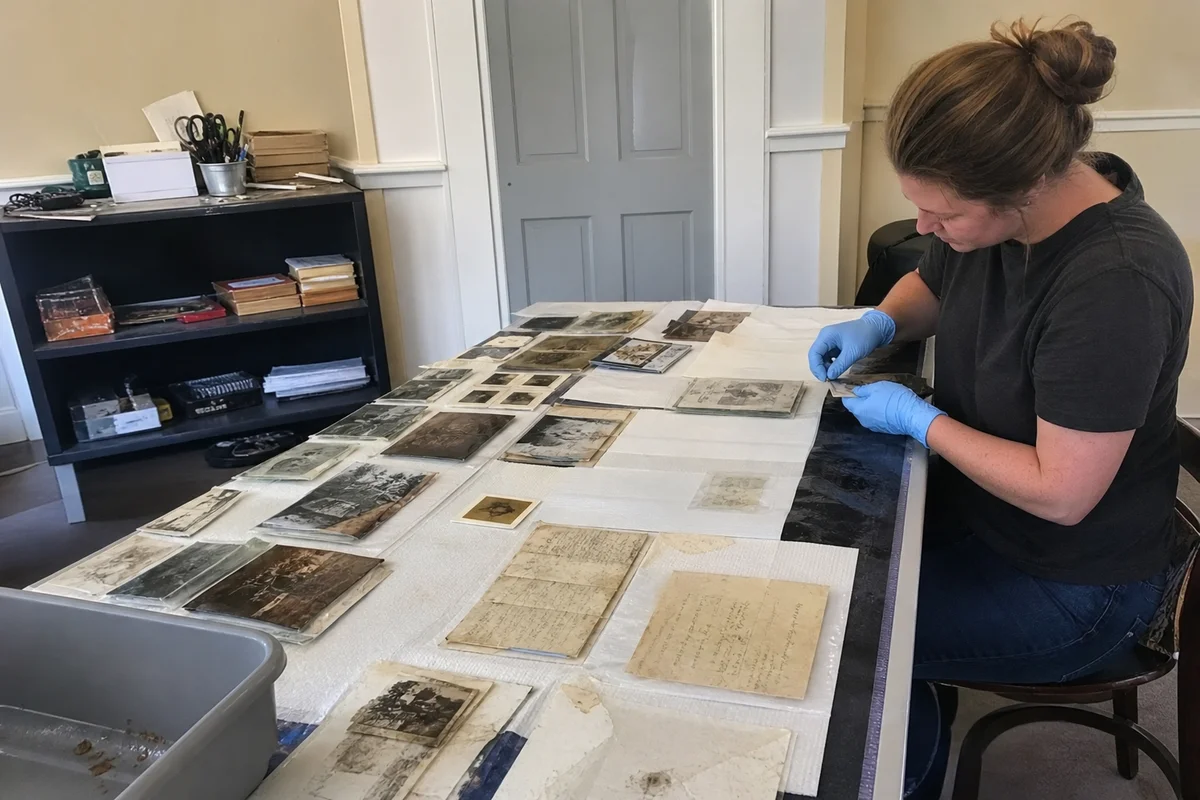
Documents, textiles, and electronics are often the most emotionally and financially significant contents in a home — and the ones most vulnerable to water and fire damage. Modern restoration can save more of them than most homeowners realize, but the salvage window is short.
Documents and photos
Paper-based items — documents, photographs, books, artwork — can often be saved through freeze-drying if we start fast.
How freeze-drying works:
- Wet items are frozen quickly to halt biological and chemical deterioration
- In a freeze-drying chamber, water sublimes directly from solid to vapor under low pressure and controlled temperature
- No liquid water damage as items dry
- Items emerge dry and often with much of their original condition preserved
What can be saved:
- Documents (most paper types)
- Photographs (including old prints)
- Books (individual books; heavy libraries take longer)
- Sketches, drawings, and artwork on paper
- Records and files
Urgency: For paper-based items, the salvage window is typically 24 to 72 hours from the water event. Sooner is dramatically better — mold begins colonizing wet paper in as little as 24 hours.
Special considerations:
- Photos with albums or plastic sleeves may need to be separated first
- Antique or fragile documents may require conservator input
- Very large volumes (whole file rooms) require pre-planning
Textiles and upholstery
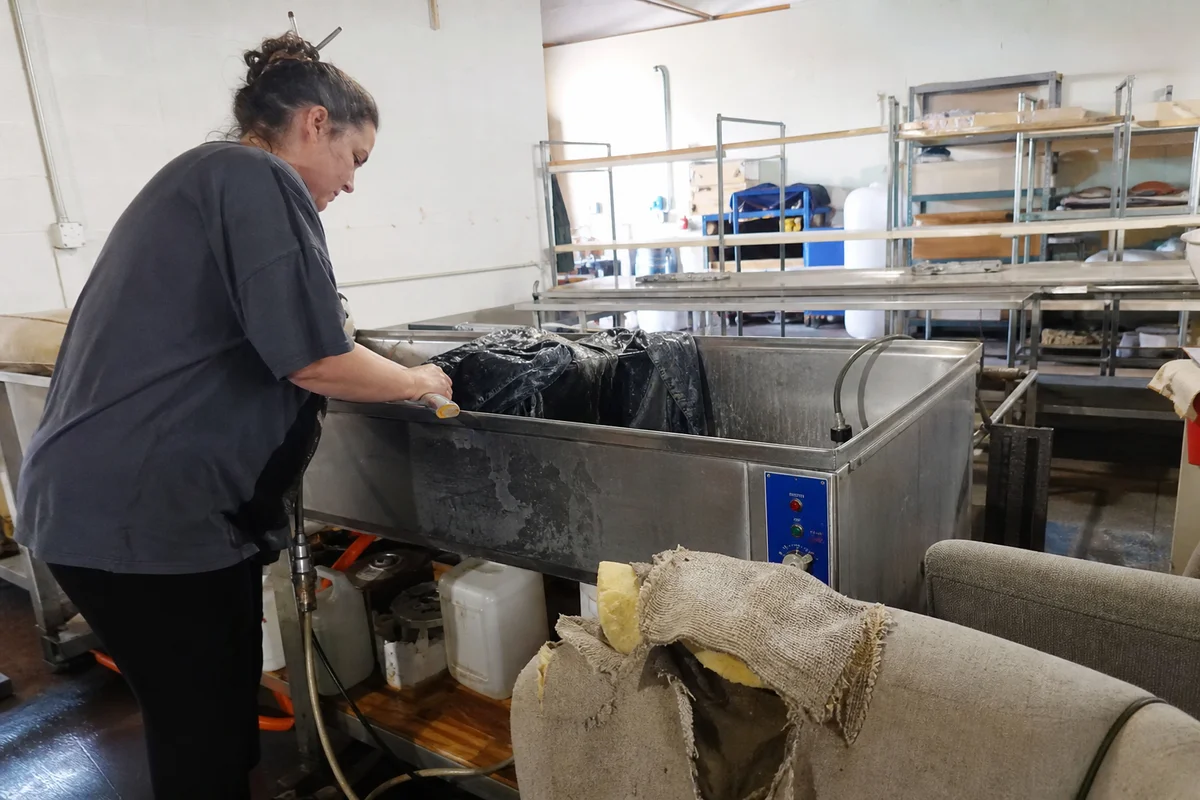
Textiles absorb both moisture and odor, which is why they often need specialized off-site cleaning:
Clothing:
- Standard laundering for washable items
- Dry cleaning for delicate garments
- Ozone treatment for smoke odor
- Case-by-case for items with heavy contamination
Upholstery:
- Deep extraction cleaning on-site or off-site
- Cover removal and cleaning for items that come apart
- Frame cleaning and drying separately
- Some heavily-contaminated upholstery must be disposed
Curtains and drapes:
- Off-site professional cleaning
- Steam cleaning for many synthetic fabrics
- Dry cleaning for delicate materials
- Odor treatment as needed
Rugs and carpets:
- Extraction and off-site cleaning for area rugs
- Wall-to-wall carpet often removed for cleaning and reinstalled if salvageable
- Padding almost always replaced
Bedding, linens, towels:
- Standard laundering with appropriate detergents
- Sanitizing wash for Category 2 exposure
- Disposal for Category 3 (sewage) exposure
Electronics
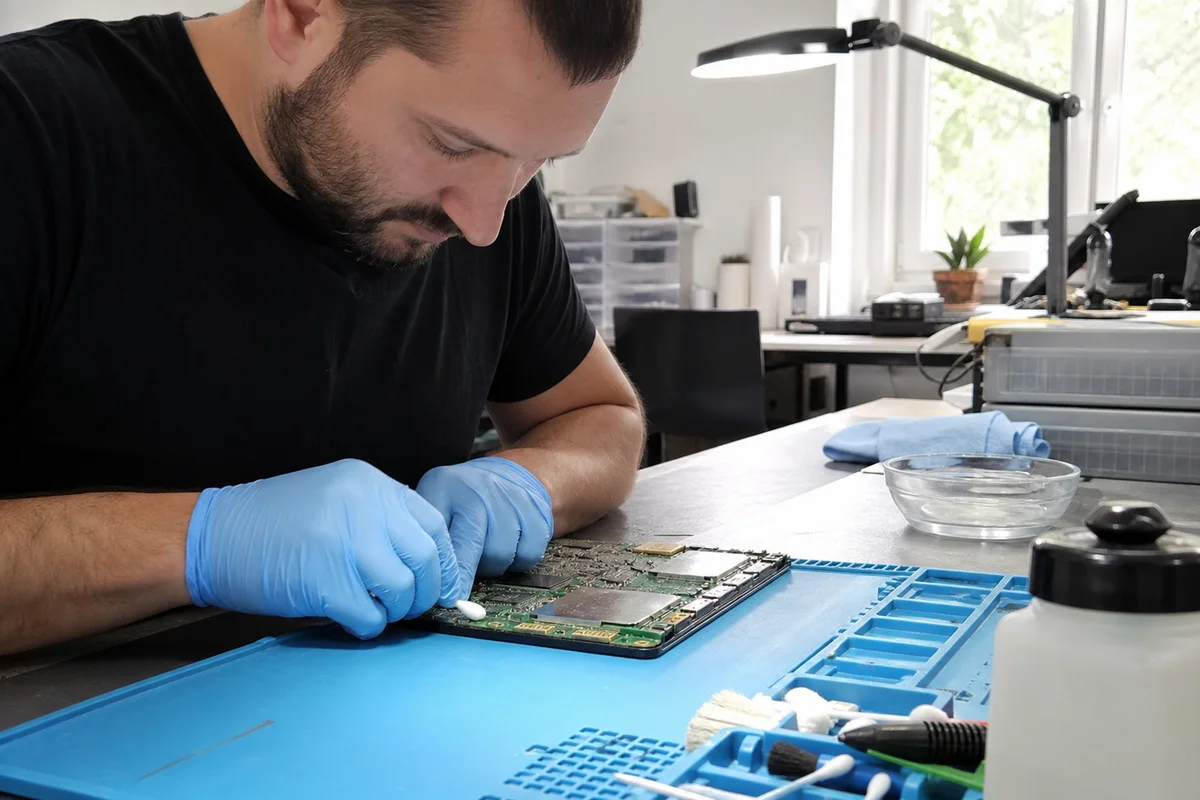
Electronics are highly time-sensitive. Water, soot, and smoke all cause corrosion that becomes irreversible within days.
Salvage windows:
- Clean water exposure: 24 to 72 hours for good salvage chance
- Smoke and soot: 24 to 48 hours (acidic residue corrodes fast)
- Category 2 or 3 water: salvage rates lower even with fast response
- Prolonged exposure (over a week): salvage rare
What we do:
- Immediate removal from the affected environment
- Power disconnection (do NOT power on wet electronics)
- Disassembly of devices where feasible
- Cleaning with appropriate agents (isopropyl alcohol, specialized electronics cleaners)
- Drying under controlled conditions
- Reassembly and testing
- Documentation of items that couldn’t be salvaged
What we can typically save:
- Computers and laptops (with fast response)
- Audio and video equipment
- Small kitchen appliances
- Home audio components
- Some gaming systems
What’s harder:
- Devices with saltwater exposure (extreme corrosion)
- Devices powered on while wet (short-circuit damage)
- Devices with significant Category 3 exposure
Specialty items
For items outside standard scope:
- Antique furniture — coordinated with furniture conservators
- Fine art — coordinated with art conservators; sometimes freeze-dried
- Musical instruments — specialized cleaning and drying
- Wine collections — climate-controlled storage and case-by-case cleaning
- Firearms — specialized cleaning to prevent corrosion
- Family heirlooms — case-by-case with owner decision authority
What to do RIGHT NOW if items are wet
- Get them out of standing water immediately
- Photograph everything before moving
- Don’t power on electronics that were wet
- Don’t try to unfreeze frozen items if they’ve already been frozen (leave for freeze-drying)
- Bag documents loosely — don’t stack wet paper
- Call us fast — the salvage window is measured in hours, not days
Insurance and specialty restoration
Contents restoration is typically covered under the contents portion of your homeowners policy. We document, inventory, and coordinate with your insurance carrier. Some items may exceed sub-limits (jewelry, art, collectibles) — check your policy and consider scheduling high-value items.
Call us
If you have wet documents, photos, textiles, or electronics, call (720) 842-1950 immediately about our contents restoration and pack-out service. The next 24 hours matter more than the next month. Related: contents pack-out and inventory process and pack-out vs cleaning in place.