
Learn
Hail & Wind Damage: What to Check After a Storm
Roof, siding, window, and interior-leak signs after a Front Range hail or wind storm — plus why hidden water intrusion often follows.
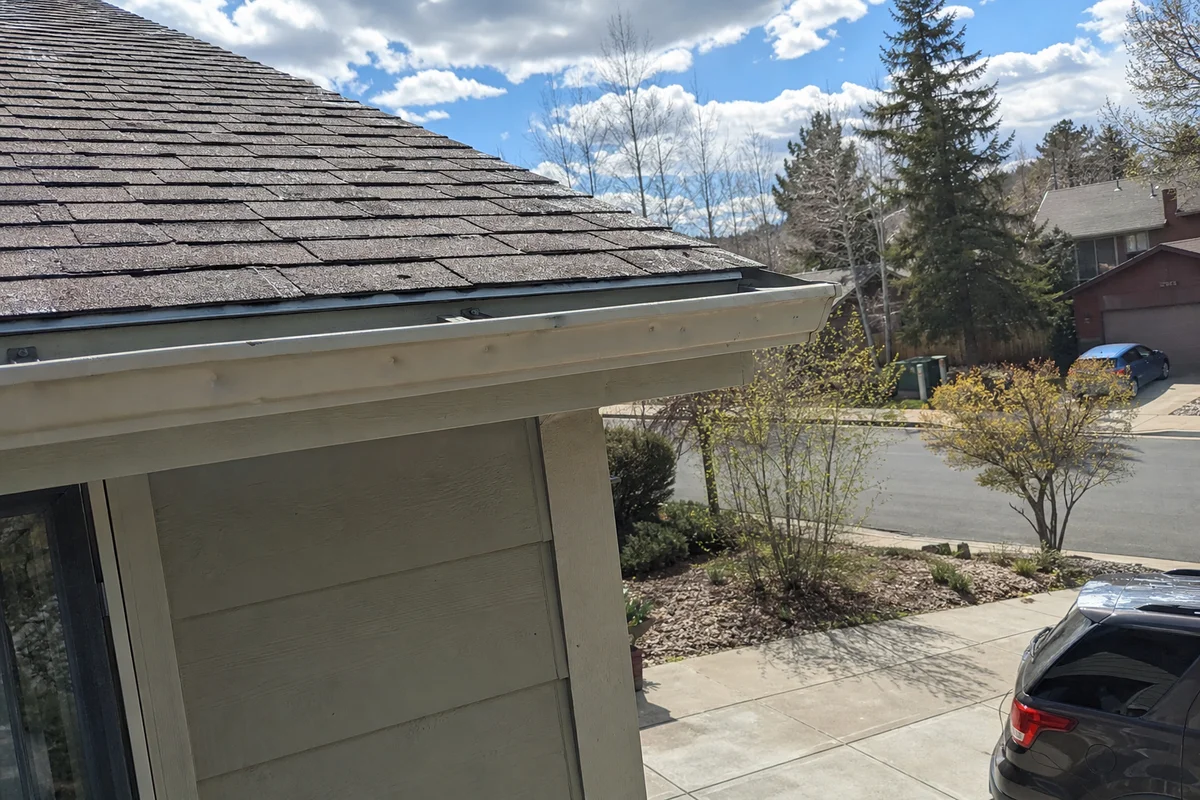
Castle Rock sits in the Front Range hail corridor. Every summer produces storms that damage roofs, siding, and windows across Douglas County. Some damage is obvious immediately; some doesn’t show up until weeks later as interior leaks. Here’s what to check.
Exterior inspection checklist
Roof (from ground level — don’t climb):
- Dented or bruised shingles (dark spots where hail hit)
- Missing shingles or torn edges
- Damaged or missing shingle granules
- Dented metal flashing around vents, chimneys, and valleys
- Damaged roof vents and turbine caps
- Skylight damage
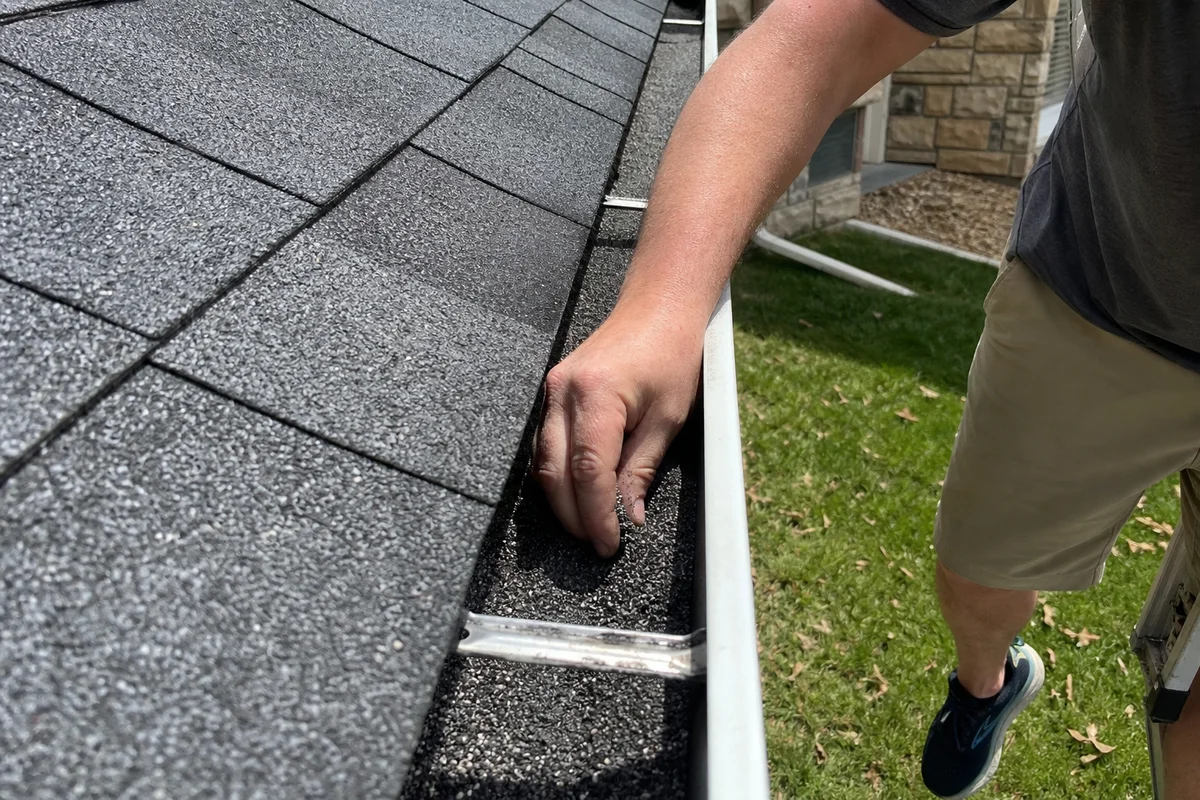
Gutters:
- Granule accumulation (small dark granules from shingles)
- Dented gutter runs
- Loose or detached gutter sections
- Downspout damage
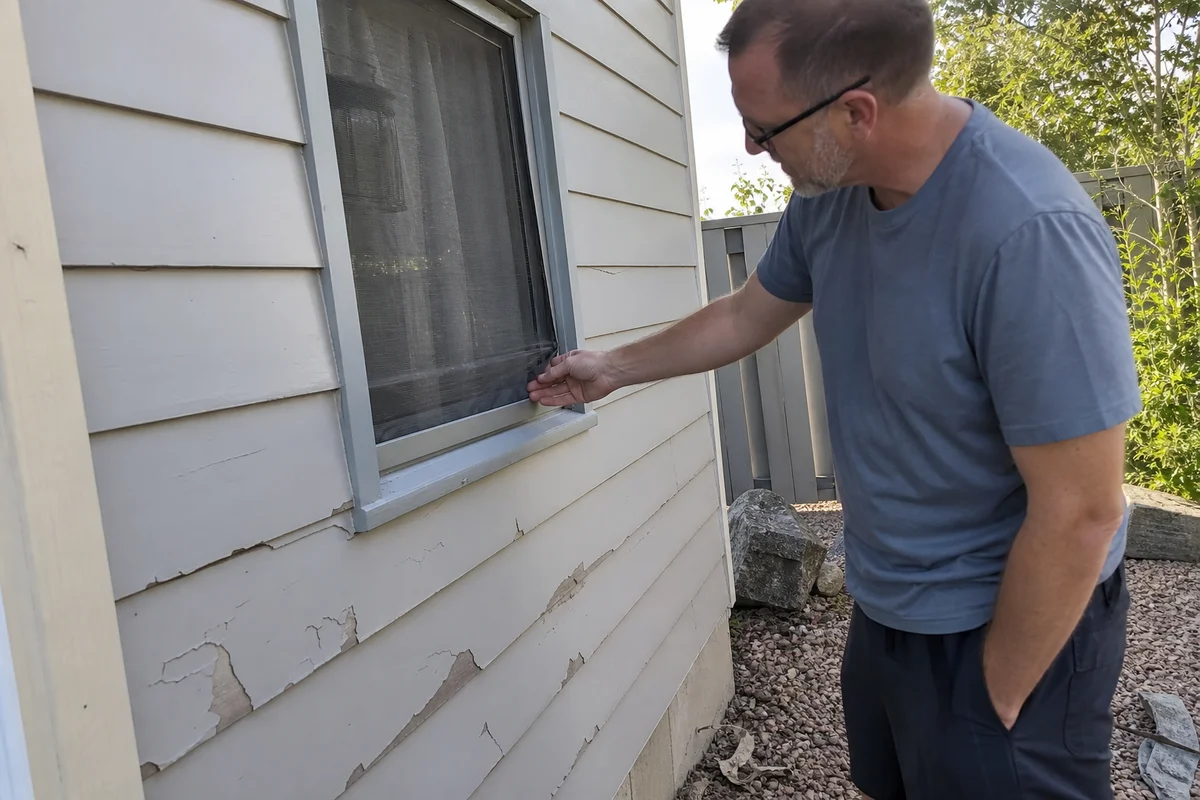
Siding:
- Dents, cracks, or holes
- Chipped paint on wood siding
- Cracked stucco
- Damaged fascia and soffit
- Note storm direction — usually east-facing walls take heaviest wind-driven hail
Windows and screens:
- Broken glass
- Damaged or torn screens
- Dented or damaged window frames
- Cracked seals
Deck, patio, outdoor items:
- Dented outdoor furniture and grills
- Damaged deck boards
- Air conditioner fins bent from hail
- Broken outdoor lighting
Interior inspection
The interior signs often show up days or weeks later as water finds its way through compromised roof and siding:
- Fresh water stains on ceilings, especially near upper floors, vents, and skylights
- Discoloration or dampness around window frames
- Musty smells in attic or upper rooms
- Peeling paint or wallpaper in specific spots
- Visible drips during rain events
Why hidden water intrusion follows storms
Hail creates thousands of tiny compromise points in a roof — dents that break through shingle granules and expose the underlying asphalt to accelerated weathering. Individually these may not leak. Cumulatively, they shorten the roof’s life and often lead to leaks in the first big rain following the storm.
Wind lifts shingles temporarily, tears the sealant between courses, and creates entry points for subsequent water even after the wind stops. A wind storm today might mean roof leaks in the rainstorm three weeks from now.
When to call a professional
Immediately:
- Water actively entering the home
- Visible large damage to roof or siding
- Broken windows or doors
- Concerns about structural integrity
Within a few days:
- Suspected hail damage to roof (professional inspection needed)
- Interior stains or drips
- Any siding or exterior damage that could allow water intrusion
Preventively:
- After any significant hail storm in your area, book a roof inspection within 30 days — this is the standard insurance-friendly window for claim filing
What we do
- Damage assessment — thorough photo documentation
- Emergency tarping and board-up if immediate protection is needed
- Interior water damage response if water has already entered
- Coordination with roofers for permanent repair scope
- Xactimate scope for your insurance claim
- Direct billing to your carrier
See our emergency roof tarping and board-up guide for what mitigation looks like.
Insurance timing
Colorado hail claims have specific timing considerations:
- Report promptly — most policies require notification “as soon as reasonably possible”
- Statute of limitations — Colorado has a 1-year statute for filing hail claims
- Document immediately — condition at time of storm is what’s covered; later damage is harder to attribute
- Get pro assessment before filing — helps confirm damage is claim-worthy
See our filing a storm damage insurance claim guide for full detail.
Preventive steps for future storms
- Impact-resistant shingles (Class 4) when your next re-roof is due — insurance discounts often apply
- Trim overhanging branches annually
- Clean gutters twice yearly
- Photograph your roof annually — helpful for future claim comparisons
- Review your homeowners policy for hail-specific deductibles (often much higher than standard)
Call us
Post-storm inspections are a small time investment that can save major damage and coverage disputes later. Call (720) 842-1950 for an assessment or storm damage cleanup, or request a free inspection.