
Learn
What Biohazard Cleanup Covers & Why It Needs Pros
What qualifies as a biohazard, regulated-waste handling, PPE and disinfection standards, and situations that require trained professionals.
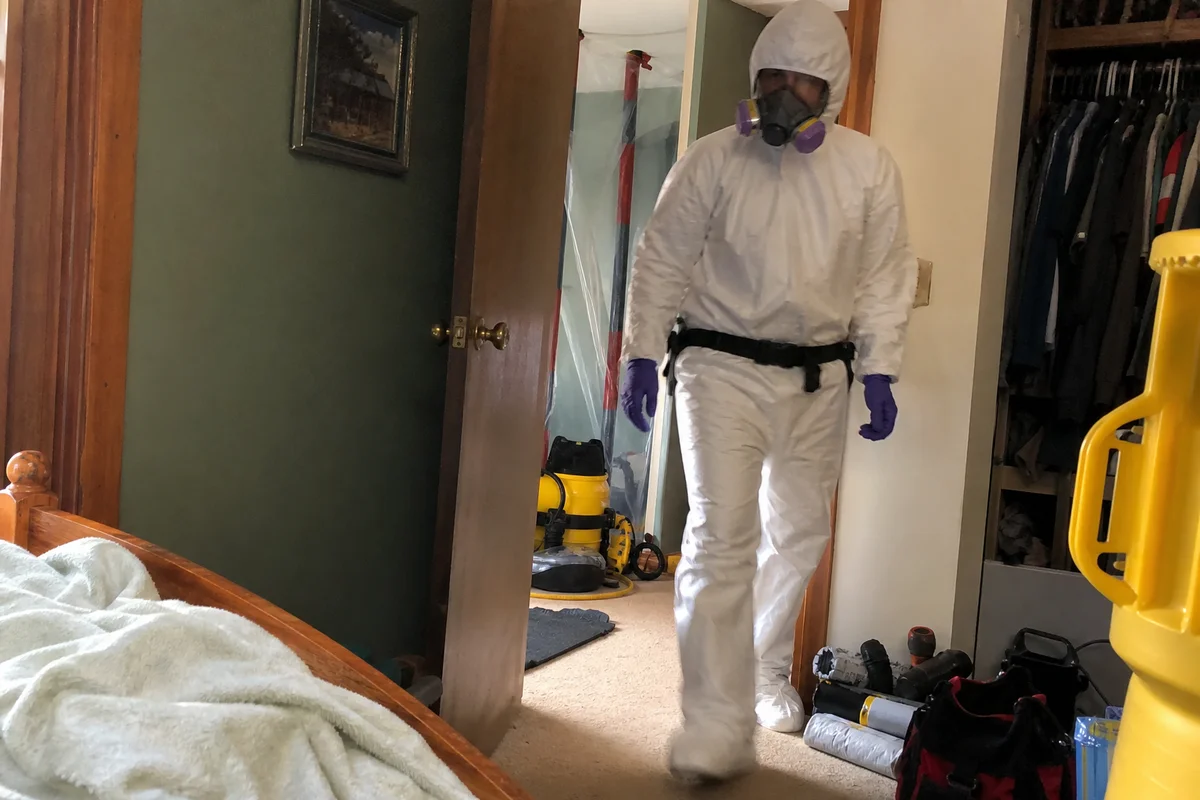
Biohazard cleanup is a specialized restoration service that requires training, PPE, regulated waste handling, and standards-compliant disinfection. Here’s what qualifies, what we do, and why DIY isn’t the right call.
What qualifies as a biohazard
Under OSHA’s Bloodborne Pathogens Standard and EPA regulations, biohazards include:
- Blood and bodily fluids — from trauma, injury, or unattended death
- Human waste and sewage — Category 3 water backups
- Pathogens and viruses — post-outbreak contamination
- Chemical hazards — some crime scene materials
- Vandalism involving bodily fluids or waste
Situations we handle:
- Trauma and crime scene cleanup
- Unattended death and decomposition
- Sewage and black water cleanup
- Virus and pathogen decontamination (healthcare, post-outbreak)
- Hoarding and gross-filth cleanup
- Vandalism and graffiti removal (when involving biohazard materials)
Regulated waste handling
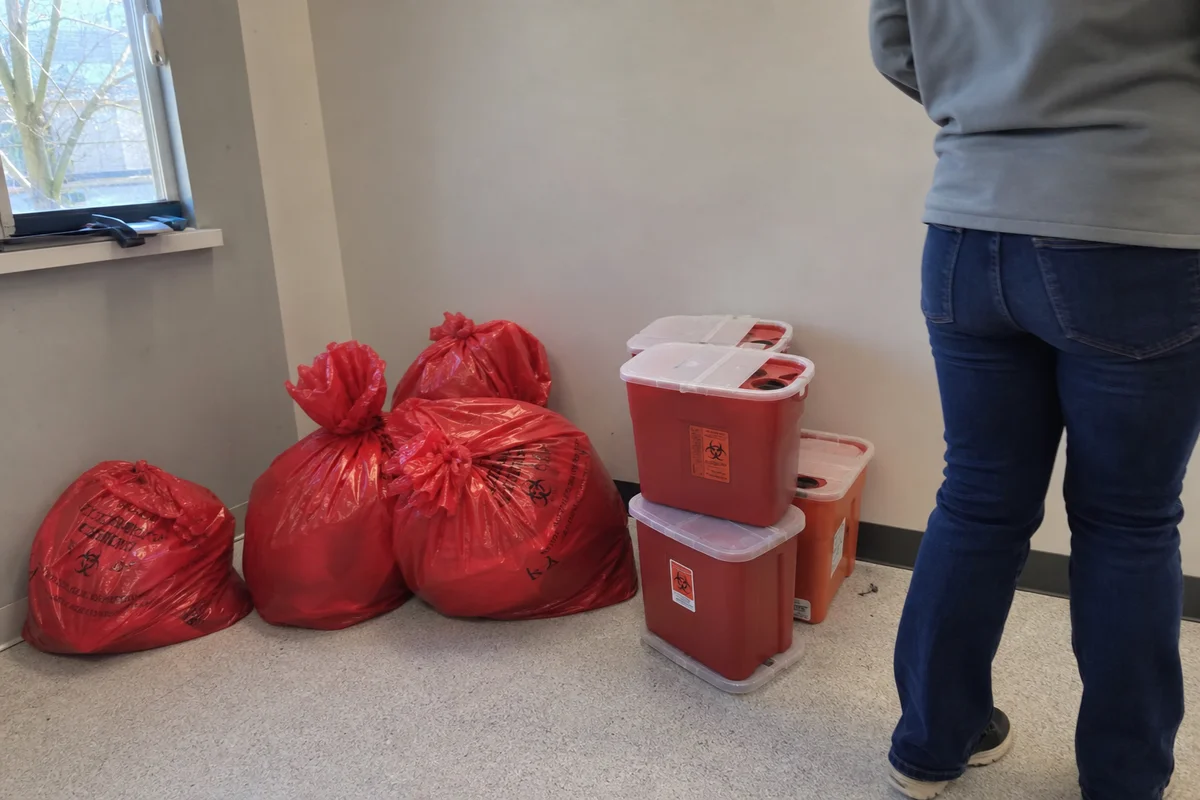
Biohazard waste cannot go in your regular trash. It’s regulated under:
- OSHA for worker protection
- EPA for handling and disposal
- DOT for transportation
- State health departments for facility disposal
Waste is:
- Contained in sealed red biohazard bags
- Labeled per regulatory requirements
- Placed in secondary containment
- Transported by licensed hauler
- Disposed at a licensed medical waste facility
- Documented with chain-of-custody
We handle this end-to-end.
PPE and safety
Our biohazard technicians work in:
- Tyvek chemical suits — full body coverage, disposable
- Full-face respirators — with P100 or better filters
- Chemical-resistant gloves — often double-layer
- Chemical-resistant boots with disposable covers
- Eye protection integrated with respirator
PPE is disposable and handled as biohazard waste itself.
Disinfection standards
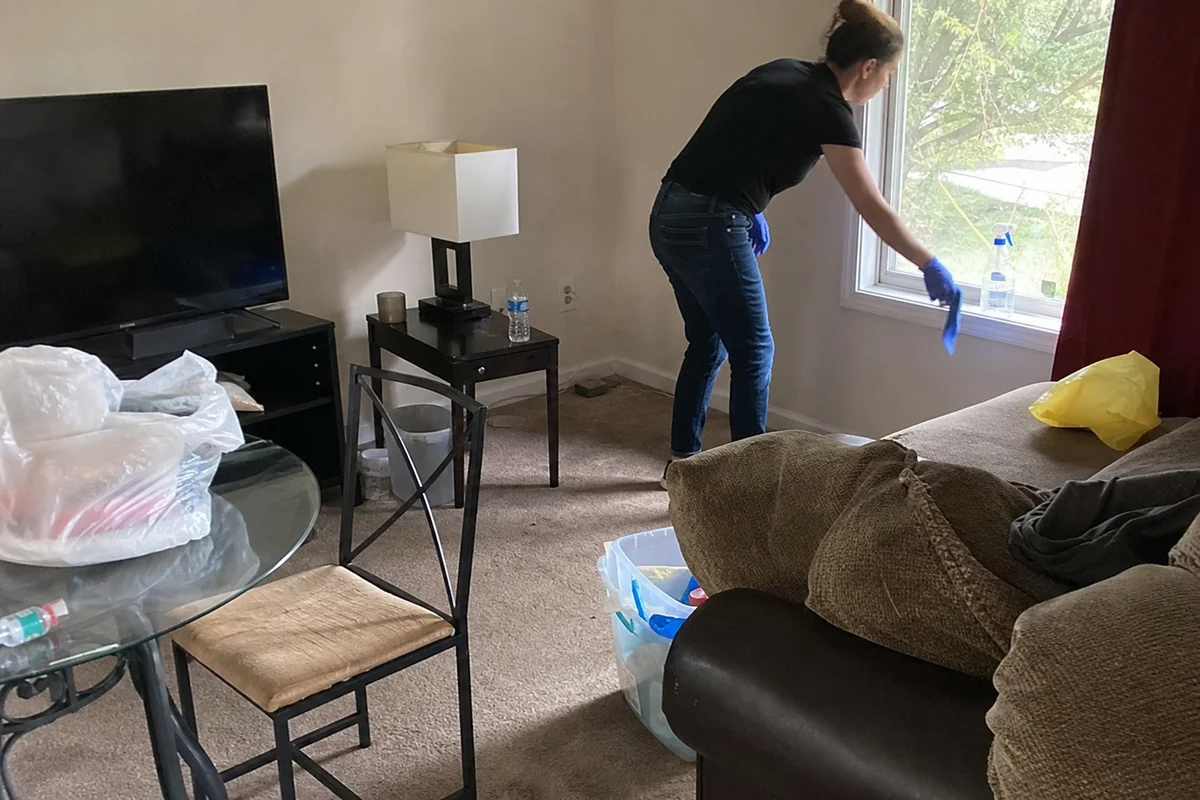
We use EPA-registered hospital-grade disinfectants matched to the specific pathogens involved:
- For bloodborne pathogens — disinfectants with claims against HIV, HBV, HCV
- For enteric pathogens (sewage) — disinfectants with claims against E. coli, salmonella, norovirus
- For viruses — disinfectants with claims against SARS-CoV-2, influenza, and other viral pathogens
- For general microbial — broad-spectrum hospital-grade solutions
Application follows label dwell times (the time required for effectiveness), which is often longer than most people assume — 5 to 10 minutes minimum for full effectiveness.
What porous materials come out
Materials that absorbed biohazard contamination usually cannot be safely decontaminated:
- Carpet and pad in trauma scenes
- Upholstered furniture with fluid contact
- Drywall below the water line in sewage backups
- Mattresses and bedding
- Wood flooring with joint contamination
These are removed and disposed of as regulated biohazard waste.
Why DIY is dangerous
- Pathogen exposure — direct contact and inhalation risks
- Contamination spread — improper cleaning spreads material through the home
- Inadequate disinfection — household products don’t meet regulatory standards
- Waste disposal violations — throwing biohazard in regular trash violates law
- Missed contamination — some hazards are invisible without proper training
Beyond the safety issues, DIY biohazard cleanup often makes the situation worse — spreading contamination and creating a bigger, more expensive cleanup later.
Insurance coverage
Homeowners policies often cover biohazard cleanup, especially when tied to covered events:
- Trauma from crimes — often covered
- Unattended death — often covered with proper documentation
- Sewage backup — covered only with sewer/drain backup endorsement
- Vandalism — usually covered
Some Colorado victim compensation programs cover biohazard cleanup for crime victims specifically.
We help you understand coverage, document the situation, and bill directly when possible.
Discretion matters
For crime scenes, trauma, and unattended deaths, discretion is essential. We use:
- Unmarked vehicles
- Trained crews who handle sensitive situations with compassion
- Privacy-first communication with neighbors and bystanders
- Timing coordination with family and law enforcement
Call us
If you’re facing a situation that calls for biohazard and crime scene cleanup, call (720) 842-1950. A compassionate dispatcher will answer 24/7. Related: sewage and pathogen safety standards and what to expect during biohazard cleanup.