
Decision Guide
Restore or Replace After Fire Damage?
Salvageability by material and damage level, structural repair vs teardown, cost and timeline factors, and the pre-loss-condition standard.
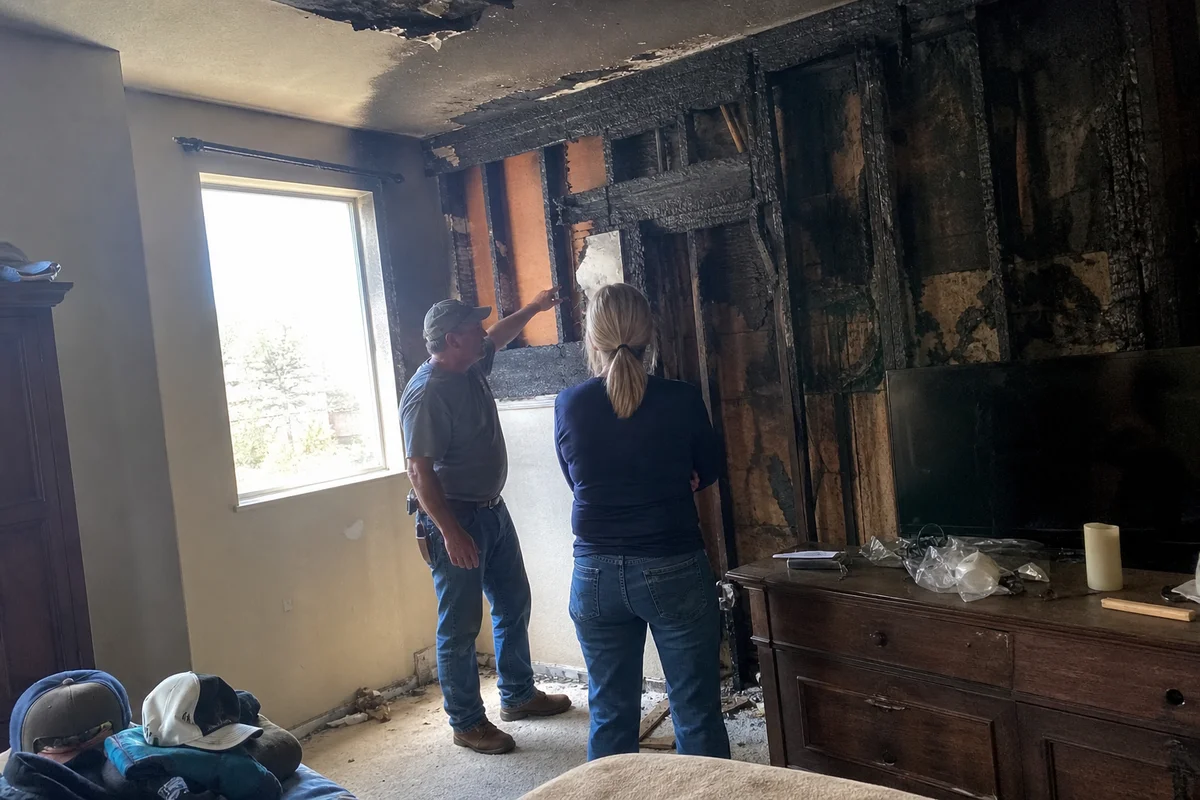
After a fire, the decision to restore vs replace can feel overwhelming — everything looks damaged. In practice, most jobs are a mix of both: some materials restored in place, some replaced, some contents saved through pack-out and off-site cleaning.
Here’s how we work through the decision, item by item.
The pre-loss condition standard
Your homeowners policy pays to restore your home to “pre-loss condition.” That’s the benchmark. If a material can be restored — cleaned, deodorized, repaired — to look and function as it did before the fire, restoration is the path. If it can’t, replacement is warranted and covered.
That word “restored” does a lot of work. It doesn’t mean “made brand new.” A 15-year-old kitchen cabinet that’s been cleaned and refinished to match its pre-fire condition satisfies the standard, even if it’s not the way you’d design a new kitchen.
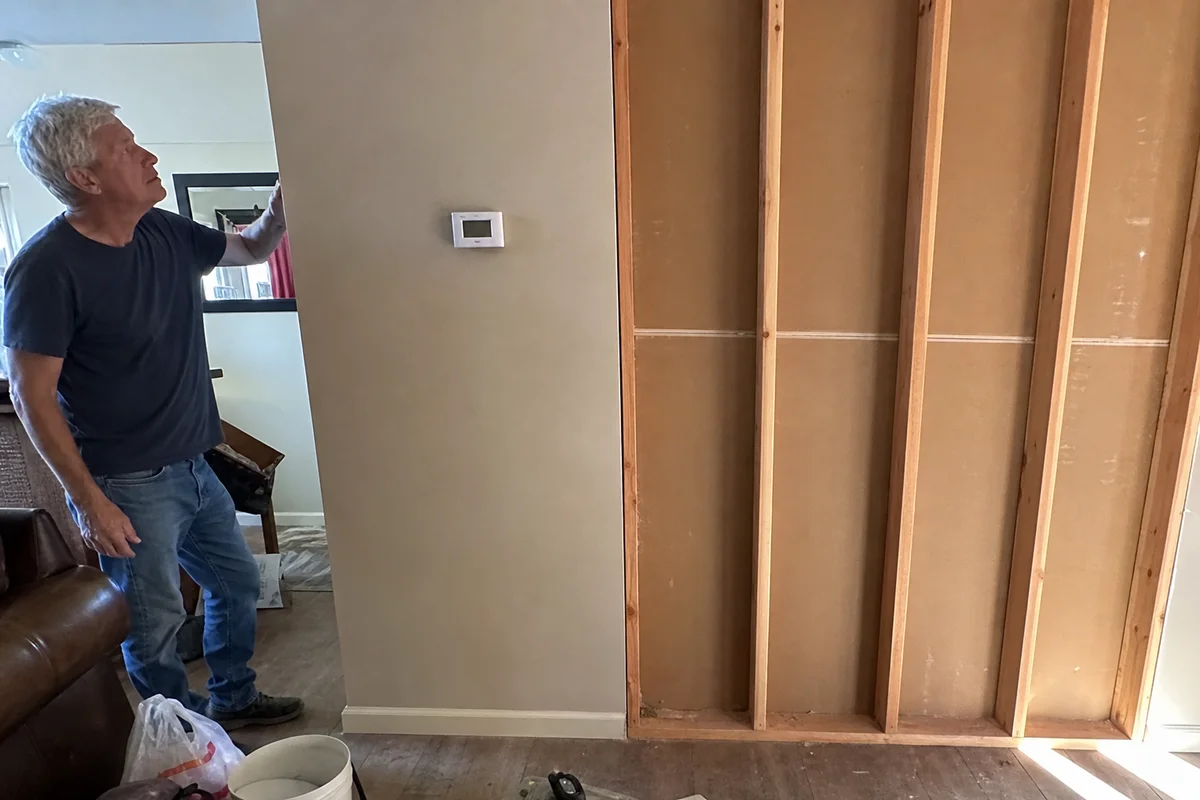
Salvageability by material
Structural framing:
- Restore if char is surface-only (less than 1/16 inch) and structural integrity is intact
- Replace if char is deep, if framing is charred through, or if fire compromised load-bearing capacity
Drywall:
- Restore with cleaning and possible re-painting if damage is smoke/soot only
- Replace if drywall is heat-warped, water-saturated (from firefighting), or heavily soot-embedded
Cabinets:
- Restore solid-wood cabinets with cleaning, refinishing, and possible re-facing
- Replace particleboard cabinets that swelled, delaminated, or have deep-embedded soot in unfinished surfaces
Countertops:
- Restore most stone (granite, quartz, marble) with cleaning and re-sealing
- Replace laminate that discolored or delaminated from heat
Flooring:
- Restore hardwood with cleaning, sanding, refinishing
- Restore tile with cleaning and re-grouting
- Replace carpet in most cases (soot embeds permanently)
- Replace laminate with heat damage or water saturation
HVAC:
- Restore ducts with professional cleaning and sanitization
- Replace heavily contaminated flexible ducts
Contents:
- Case-by-case based on material, damage, and value. See our contents restoration service page.
Structural repair vs teardown
For a room, wing, or section:
Repair (partial restoration): damage is contained to specific areas, structure is intact, most systems can be restored. The most common outcome.
Teardown of affected section: damage compromises structural integrity or requires access to hidden systems that were destroyed. Common in kitchen fires that involved cabinet and appliance destruction plus wall penetration.
Full home teardown: rare — only when structural damage is extensive enough that repair costs would exceed rebuild costs, or safety requires it.
Cost and timeline factors
Restoration typically:
- Costs 40 to 70 percent of replacement
- Takes 2 to 8 weeks depending on scope
- Preserves character and materials that can’t be exactly matched
- Requires professional cleaning, refinishing, and repairs
Replacement typically:
- Full material and labor cost
- Takes 3 to 6 months for significant scope
- Fresh finishes and systems throughout
- Simpler in one sense: everything is new
The decision matrix in practice
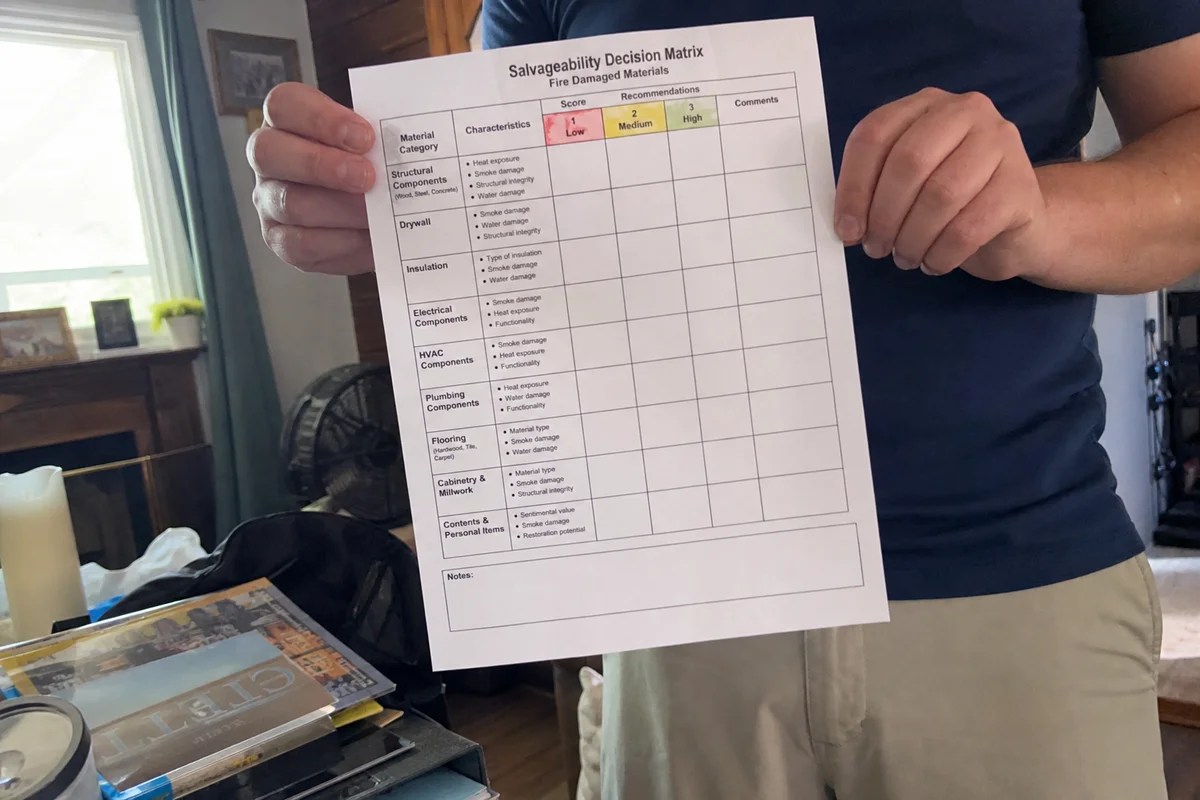
For every material and system, we ask:
- Can it be restored to pre-loss condition? (structural, functional, aesthetic)
- Is restoration cost less than replacement cost? (usually yes if #1 is yes)
- Are there safety concerns that would push toward replacement? (structural, electrical, contamination)
- What does the adjuster’s Xactimate scope reflect?
The answers determine each item’s path.
When “just replace it all” might be right
Sometimes homeowners understandably want to start fresh — especially after a traumatic fire. Insurance policies generally cover restoration costs, but you can pay the difference to upgrade during the rebuild (a “betterment”). Talk to your adjuster about how betterments work — they can be a good opportunity to update finishes or systems while everything is exposed.
Our role
We write scope that reflects what’s genuinely restorable, what needs replacement, and what the salvage-vs-replace tradeoff looks like for each item. Your adjuster reviews; you approve; we execute.
Read our filing a fire damage insurance claim in Colorado guide for the claim-side detail.
Call (720) 842-1950 for an on-site fire and smoke damage restoration scope, or request an inspection.