
Learn
Cleaning Soot Off Walls, Contents & HVAC Systems
Dry vs wet soot cleaning, surface-specific techniques, contents handling, and HVAC decontamination — the scope DIY can't match.
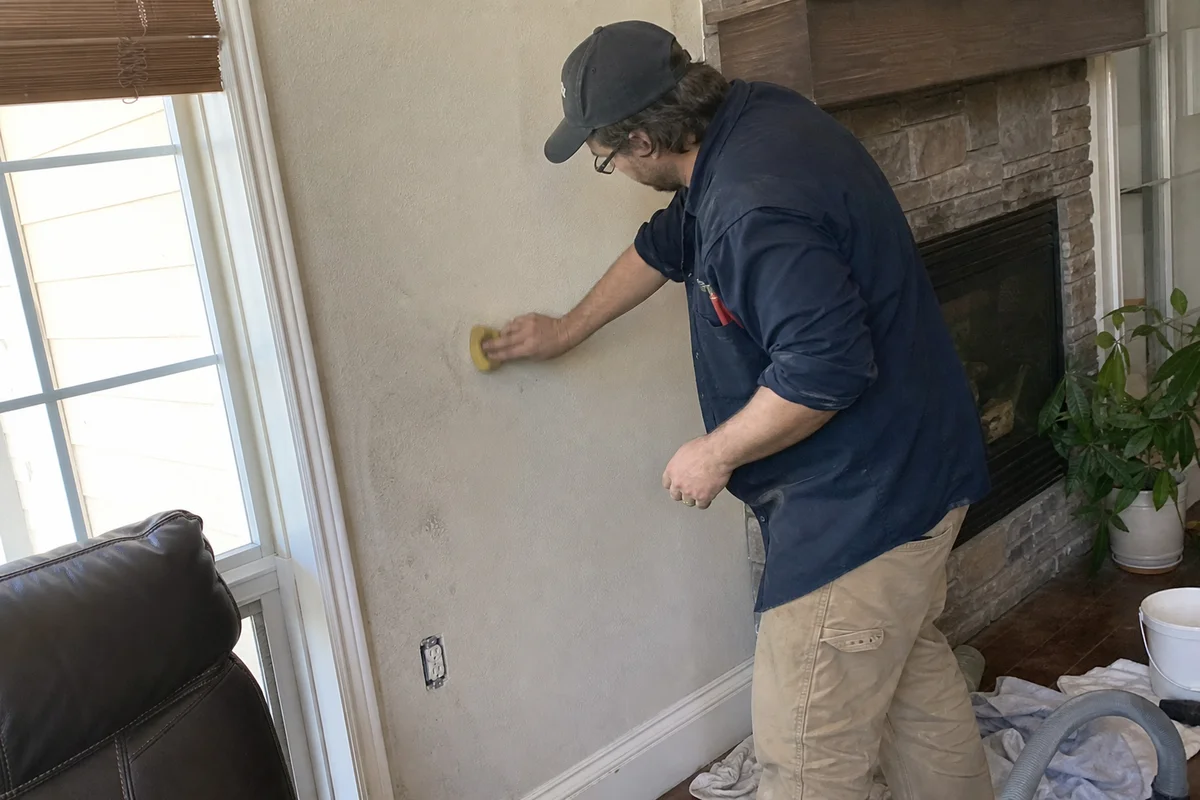
Soot cleaning is technique-driven. The right method depends on the soot type, the surface, and the extent of contamination. Wrong method makes damage worse; right method saves surfaces that would otherwise need replacement.
Dry cleaning first — always
The universal rule: dry methods before wet methods. Wet cleaning too early smears soot across the surface, drives it deeper into pores, and sets stains permanently. Dry cleaning removes the loose particulate that would otherwise get liquefied.
Dry methods we use:
- Chem sponges (dry cleaning sponges) — for painted walls, ceilings, and non-textile surfaces
- HEPA vacuuming — for fine particulate, cracks, upholstery, ash
- Compressed air — for detailed areas like electronics grilles, small hardware
- Dry cloth wipes — for smooth surfaces to remove residual particulate
Wet cleaning where appropriate
Once dry cleaning is done, wet cleaning tackles what’s left:
- Painted walls with dry soot residue — mild detergent solution, tested first
- Kitchen surfaces with protein soot — degreaser matched to residue
- Hard-surface floors — pH-neutral cleaners
- Countertops (non-porous) — appropriate cleaners for the material
Wet cleaning agents are matched to the residue type. Using a wet-soot cleaner on protein soot doesn’t work; using a degreaser on dry soot is overkill. Technique matters.
Contents cleaning
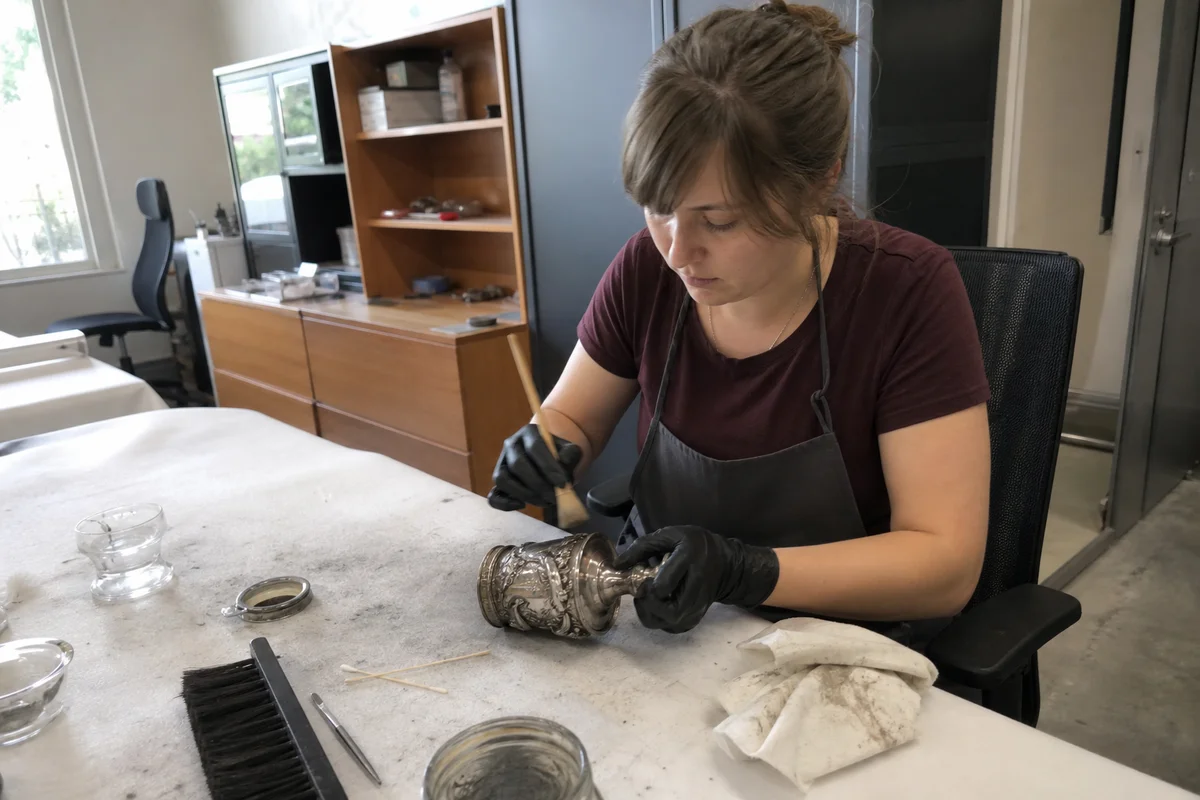
Contents come off-site when the damage is extensive. At our restoration facility:
- Hard contents (kitchenware, décor, hardware) — ultrasonic cleaning, hand cleaning
- Textiles (clothing, curtains, upholstery) — specialized fabric cleaning
- Electronics — dedicated decontamination process; time-sensitive
- Documents and photos — freeze-drying if wet, gentle surface cleaning if soot-only
- Wood furniture — hand cleaning with appropriate agents; refinishing where needed
See our contents pack-out and inventory process guide for how pack-out works.
HVAC decontamination
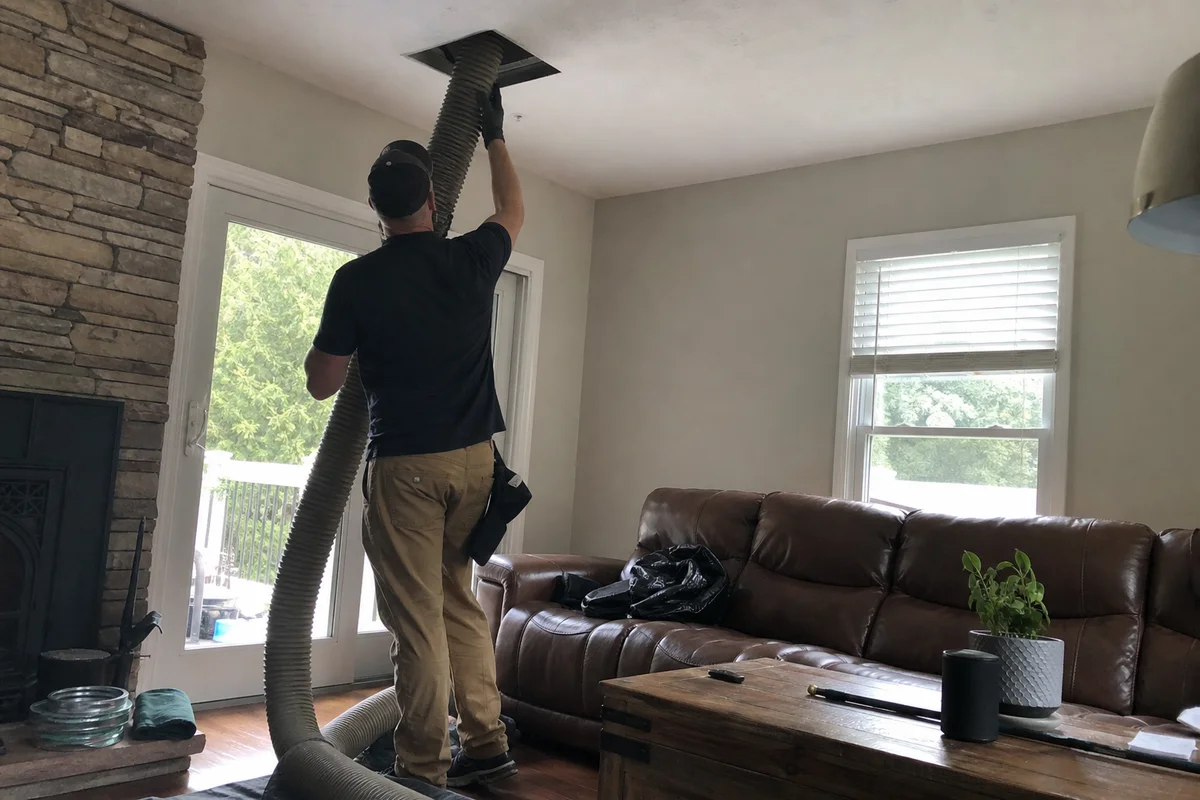
This is the step most fire cleanups skip and later regret. Ductwork holds soot for years if untreated. Every time the furnace runs, it redistributes residue through the whole house.
Our process:
- Inspection of ducts, coil, blower
- Negative-pressure duct cleaning to capture debris safely
- Component cleaning — registers, grilles, blower housing, evaporator coil where accessible
- Antimicrobial and deodorizer application
- Post-cleaning verification
See our HVAC sanitization service page and how air duct sanitization works guide.
Surface-specific techniques
- Painted drywall: dry chem sponge, then mild wet if needed, then odor sealer if odor persists
- Wood cabinets: hand cleaning; refinishing for damaged finish; replacement for warped or delaminated
- Metal fixtures: dry wipe, then appropriate metal cleaner; replace if pitted from acidic residue
- Electronics: professional decontamination — do not attempt DIY
- Textiles: off-site cleaning with methods matched to the fabric
- Carpet: professional hot-water extraction; may not save carpet with heavy protein-soot contamination
- Ceramic tile and grout: grout requires deeper cleaning; may need re-sealing
Health precautions during cleanup
Anyone in the space during and after fire cleanup should wear:
- N95 or P100 respirator
- Nitrile gloves
- Closed shoes and long sleeves
- Eye protection
Children, elderly, and anyone with respiratory conditions should stay out until cleaning is complete and air quality is verified.
Bottom line
Soot cleaning is one of the most technical parts of fire and smoke damage restoration. Wrong technique makes damage worse and locks odor in permanently. Call us at (720) 842-1950 for an assessment before you start any cleaning — the right method depends on what we see when we walk the property.