
Learn
What Causes Mold to Grow After Water Damage
Moisture plus time equals mold — often within 24-48 hours. Where mold hides, why incomplete drying causes it, and IAQ basics.
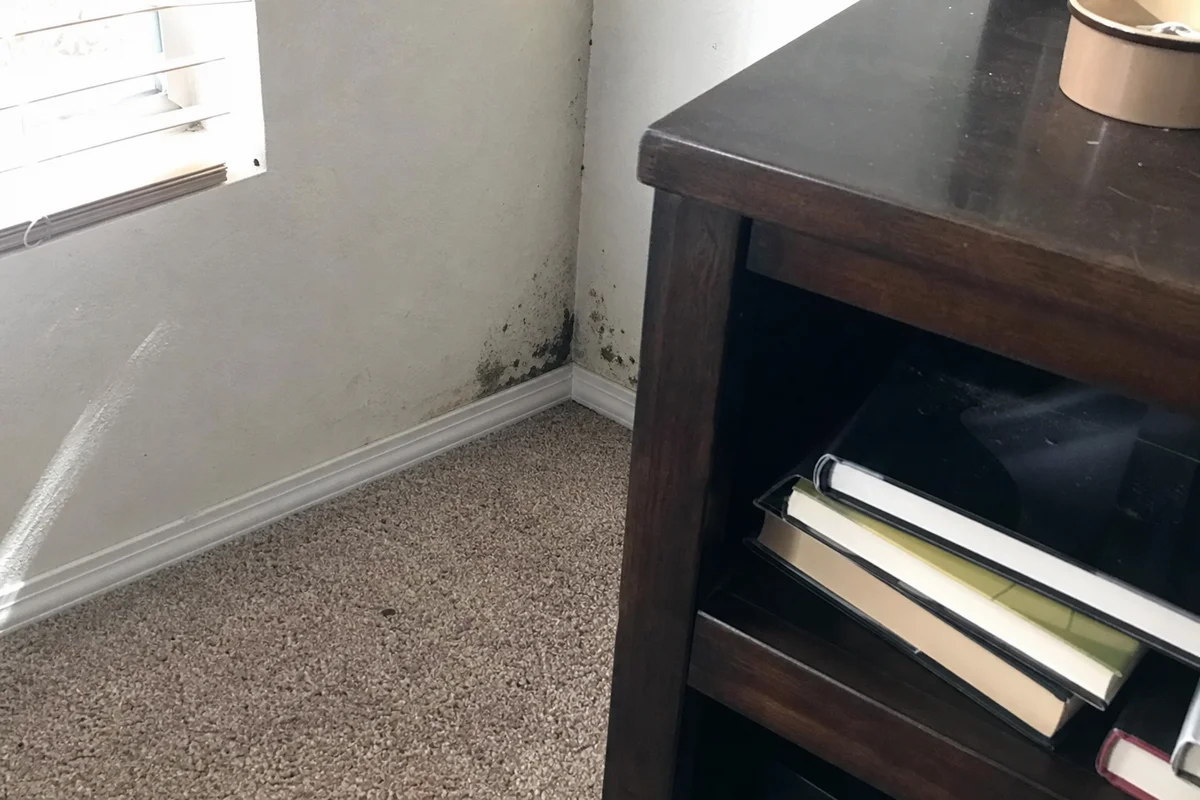
Mold isn’t a random visitor. It’s a biological response to specific conditions. Understanding what triggers it is the key to preventing it — and to catching it early when prevention wasn’t possible.
The mold formula
Three ingredients:
- Mold spores — always present in indoor air, everywhere, all the time
- Organic material — drywall paper, wood, dust, fabric, even paint
- Moisture — the only variable that changes
The first two are constants. Control the third and you control mold.
The 24-to-48-hour window
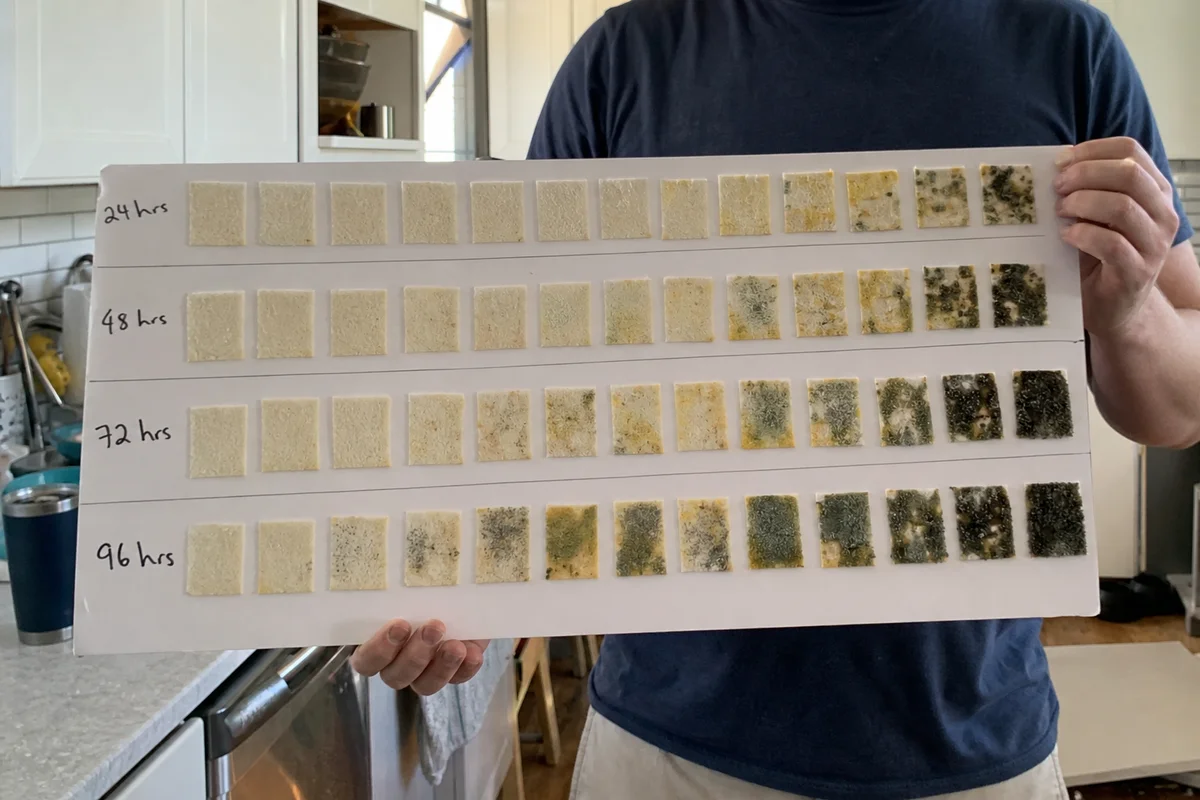
Under favorable conditions (temperature 68-86°F, humidity above 60%, organic material present), mold spores that land on wet materials begin germinating within 24 to 48 hours. Visible growth follows within 3 to 10 days.
This is why fast response to water damage matters so much. Extraction and drying within the first 24 to 48 hours dramatically reduces the chance of mold establishing. Waiting a week almost guarantees a mold call within the month.
Where mold hides after water damage
The visible surface almost always looks clean while hidden cavities harbor mold:
- Wall cavities between drywall and framing
- Under carpet pad and above subfloor
- Behind vinyl or paint that trapped moisture
- Inside HVAC insulation and ductwork
- Under vinyl flooring and behind tile grout
- Behind cabinets where water pooled but wasn’t visible
- Above ceiling tiles in commercial spaces
By the time you smell it or see it on a wall surface, it’s typically been growing in adjacent cavities for weeks.
Why incomplete drying causes it
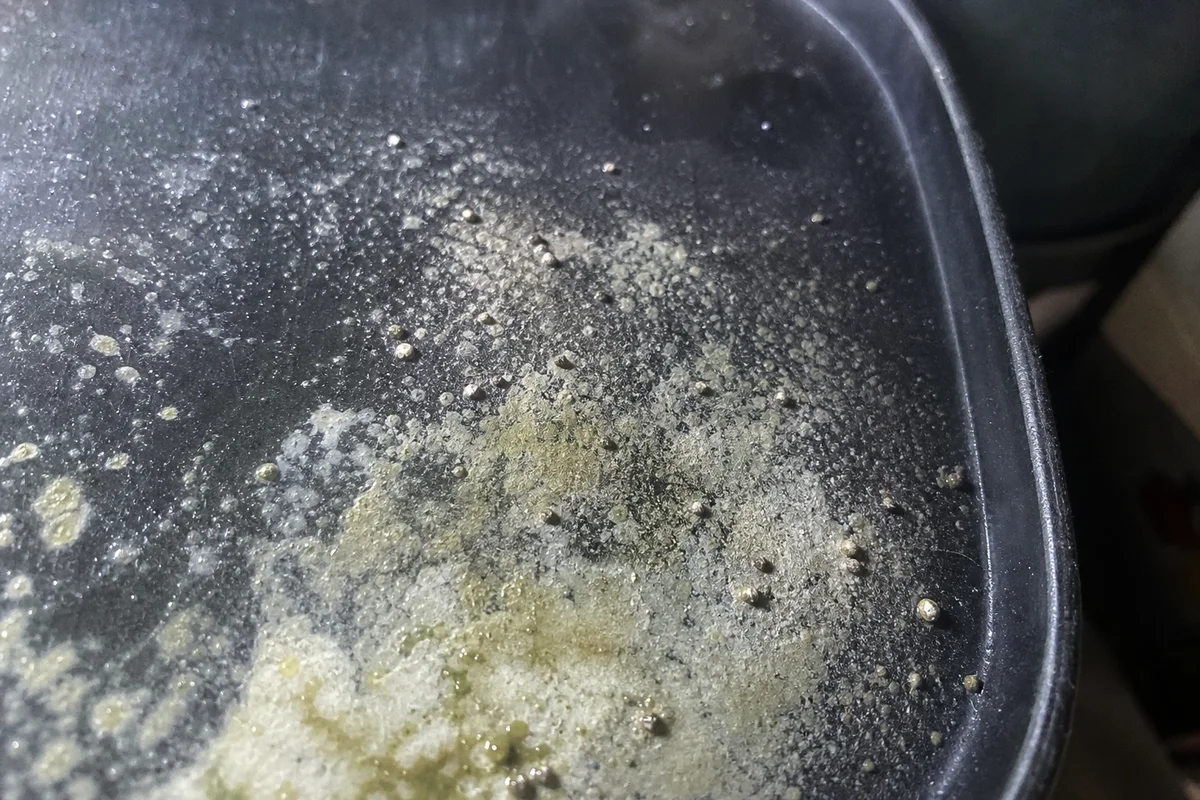
The most common mold job we see is a callback on someone else’s water job. The pattern:
- Water event happens
- Homeowner runs box fans, mops, and calls it dry
- Or a restoration company runs equipment for 3 days and pulls it early
- Materials look and feel dry on the surface, but cavities are still at 20%+ moisture content
- 4 to 6 weeks later, a musty smell appears
- Behind the wall, mold has been growing for weeks
The fix is proper drying to the IICRC dry standard, verified with moisture meters, monitored daily until every material reaches target. Not “it looks dry” or “the fan has been on for a while.” Actual measurements.
Colorado climate: helpful but not a guarantee
Colorado’s dry ambient humidity (often 20 to 40 percent indoors in winter) is genuinely helpful for mold prevention. Free ventilation dries exposed surfaces faster than in humid coastal climates.
But sealed cavities behave more like humid environments than dry ones. Wall interiors, subfloor voids, and enclosed spaces don’t benefit from the ambient dry air. That’s why moisture in cavities becomes mold even in dry climates.
Common Colorado sources
Sump-pump failures in Highlands Ranch and Douglas County finished basements. Water sits in the pit and seeps into the cavity walls.
Slab leaks in newer Lone Tree and Aurora construction. Moisture wicks up into framing before anyone notices.
Ice dams and roof leaks in Castle Rock and Castle Pines with heavy roof snow. Water enters attic insulation and slowly migrates down.
Bathroom exhaust fans venting into attics instead of outside. Warm moist air hits cold attic sheathing and condenses.
Humidifiers running too high in winter. 50%+ indoor humidity creates condensation on cold exterior walls.
Prevention
- Fast response to water damage. Call within hours, not days.
- Complete drying to the standard. Not “when the fan feels dry.”
- Monitor cavity moisture. Moisture meters, not just visual.
- Fix leaks fast. A slow leak in the ceiling is a mold job in six months.
- Ventilate bathrooms and kitchens. Exhaust to outside, not attic.
- Keep indoor humidity 30-50%. Not higher.
When mold has established
If you’re smelling it, seeing it, or suspicious after water damage, don’t try to scrub it away. Disturbing mold releases spores through the whole home. Professional containment is required. Read our mold remediation service page and mold remediation process guide.
Call (720) 842-1950 for a free assessment.