
Decision Guide
Does Insurance Cover Mold Remediation in Colorado?
Mold is often covered when tied to a sudden covered loss but excluded for neglect. Policy caps, documentation, and the deductible-only model.
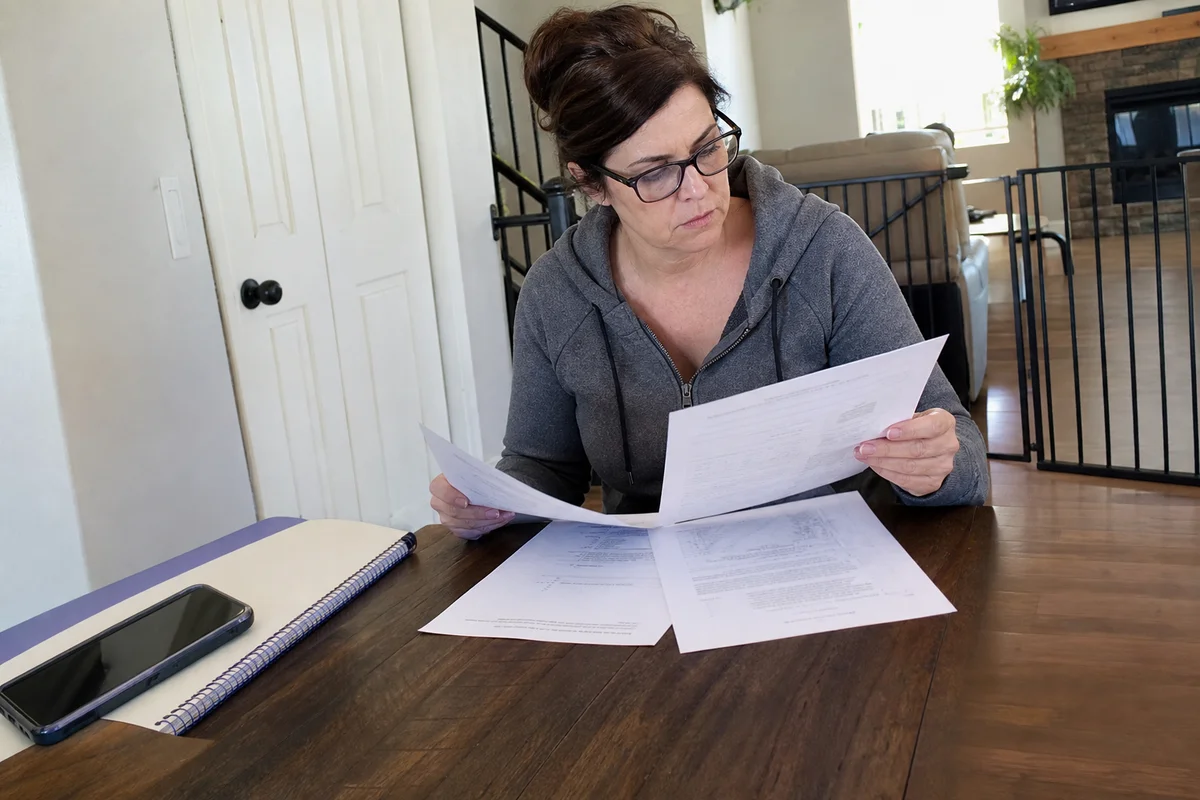
Mold insurance coverage is one of the most misunderstood aspects of homeowners insurance. It’s neither “always covered” nor “never covered” — it depends heavily on cause, timing, and documentation. Here’s how it actually works in Colorado.
The coverage question
Mold is generally covered when it’s a direct result of a sudden and accidental covered loss. Examples:
- Burst pipe floods a basement, mold develops within days
- Appliance failure (washing machine, dishwasher) causes water damage that leads to mold
- Roof damage from a covered storm allows water in, mold follows
- Fire suppression water creates conditions for mold growth
Mold is generally NOT covered when it’s from:
- Long-term humidity or condensation issues
- Slow, unaddressed leaks the homeowner knew or should have known about
- Flooding from external sources (that’s separate flood insurance)
- Neglect or deferred maintenance
- Groundwater intrusion unless you have a specific rider
Policy caps
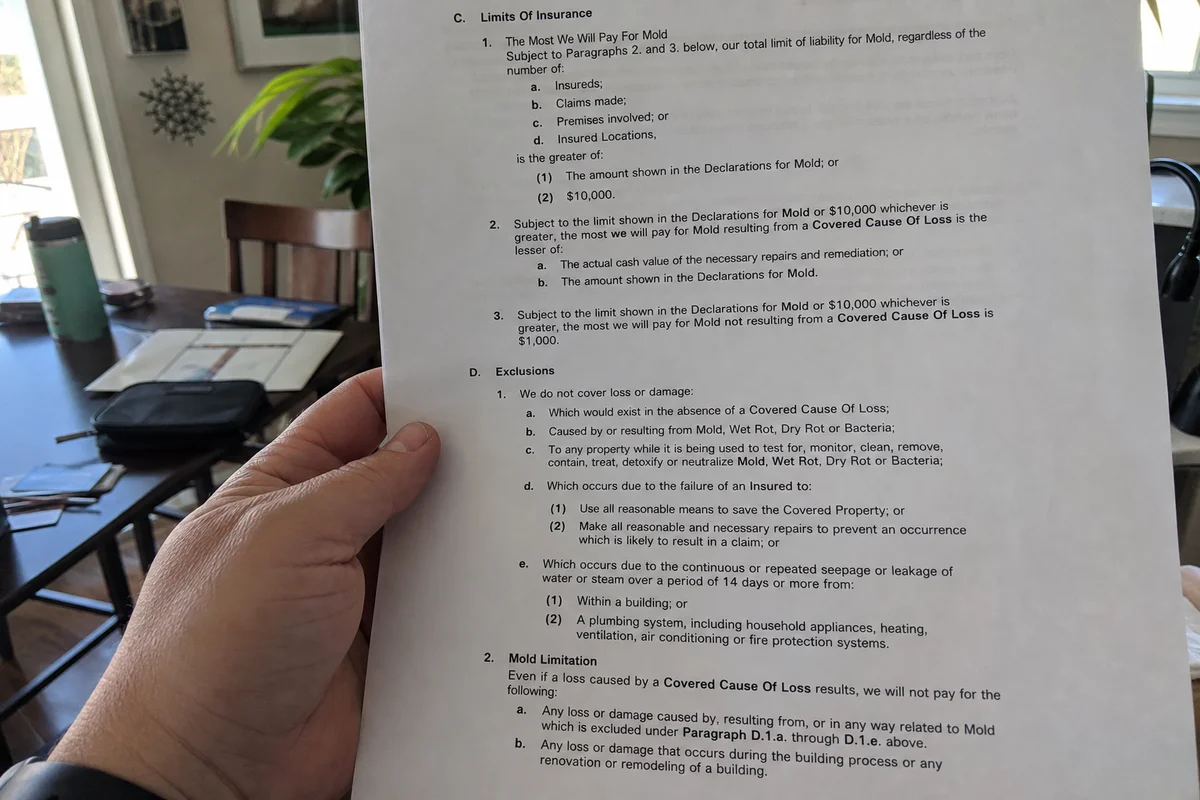
Even when mold is covered, most Colorado homeowners policies cap the coverage amount. Common caps:
- Standard policy: $5,000 to $10,000 for mold remediation
- Some policies: As low as $1,000
- With endorsement: $25,000 to $50,000+ available
$10,000 might sound like a lot, but comprehensive mold remediation with reconstruction can easily exceed that. Check your policy specifically. If you’re in an older home or a home with prior water history, ask your agent about upgrading the mold rider.
The “sudden and accidental” test
Insurers evaluate every mold claim through this lens. If mold developed suddenly from a covered event, it’s likely covered. If mold developed gradually from a known issue, it’s likely not.
The gray zone is when a small leak went unnoticed and developed into mold over weeks. Documentation makes or breaks the claim:
- Date of discovery vs date of the underlying event
- Evidence of the water event (repair receipts, photos)
- Records of prior maintenance (plumbing inspections, appliance service)
- Third-party assessment documenting cause and progression
Documentation checklist
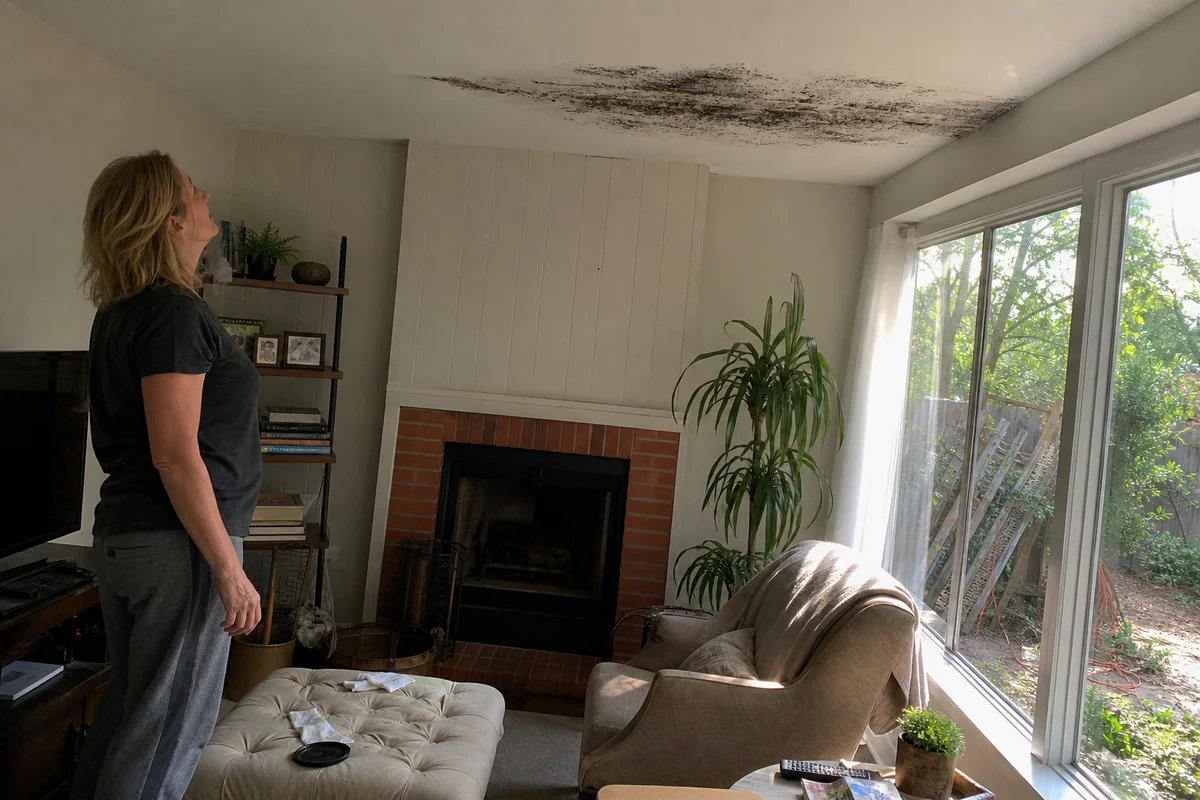
- Photos of the mold growth, water source, and progression
- Photos or receipts of the underlying water event (repairs to burst pipes, appliance failures)
- Maintenance records showing prior good condition
- Written assessment from a certified restoration company
- Timeline connecting the water event to the mold discovery
- Air testing results if performed by an independent IEP
We build this file for every mold job we take on, whether or not you’re filing a claim. If a claim is warranted later, the documentation is ready.
The claim process for mold
- Report the covered event that caused the mold (the burst pipe, the failed appliance) as soon as it happens
- Follow through with immediate mitigation — this is your duty to mitigate
- If mold develops despite mitigation efforts, notify the carrier
- Document the mold discovery with photos and third-party assessment
- Provide Xactimate scope for remediation (we generate this)
- Coordinate with adjuster — often they’ll approve within policy caps
- We perform the work and bill the carrier directly
When mold isn’t covered
If your claim is denied or coverage is capped below the full remediation cost, you have options:
- Pay the difference — sometimes the remediation is worth it even without full coverage
- Appeal the coverage decision with additional documentation
- File a supplemental claim if new information develops
- Consider public adjuster or attorney assistance for large denied claims
- Consider policy upgrades for the future
Preventing coverage disputes
- Report water events immediately — waiting weeks weakens the “sudden” argument
- Document everything from day one — photos, receipts, dates
- Maintain your home — regular inspections and prompt repairs
- Know your policy — read your mold coverage language before you need it
- Add sewer/drain backup coverage — most Colorado homeowners should have this
- Consider upgrading mold rider — $50 to $200 per year is usually cheap for higher limits
The deductible model
For most covered mold losses, you pay your standard deductible and the carrier pays the rest, up to the mold cap. If your standard deductible is $1,000 and the remediation cost is $8,000 (all within your $10,000 mold cap), you pay $1,000 out of pocket.
Our role
Our owner is a CPA and we handle Xactimate scoping, adjuster coordination, and direct billing. We document cause and progression carefully because we know it’s the difference between covered and not covered.
Call (720) 842-1950 to start with a free mold remediation assessment. Related: what causes mold after water damage and mold remediation process.