
Decision Guide
Does Homeowners Insurance Cover Water Damage in Colorado?
What Colorado homeowners insurance covers — sudden burst pipe vs gradual leak vs flood — the deductible-only model, and direct billing.
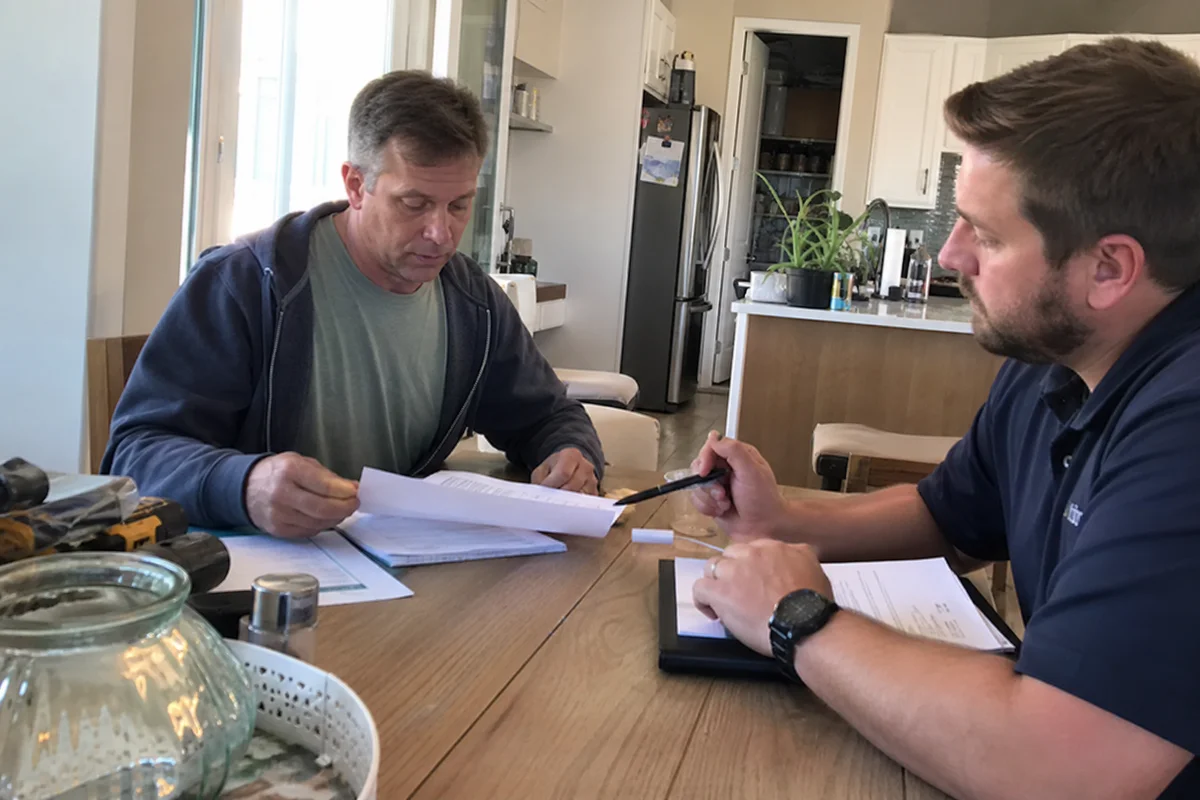
Water damage insurance in Colorado is more nuanced than most homeowners realize. The type of water event, how quickly it happened, and how you respond all affect coverage. Here’s the practical guide.
What’s typically covered
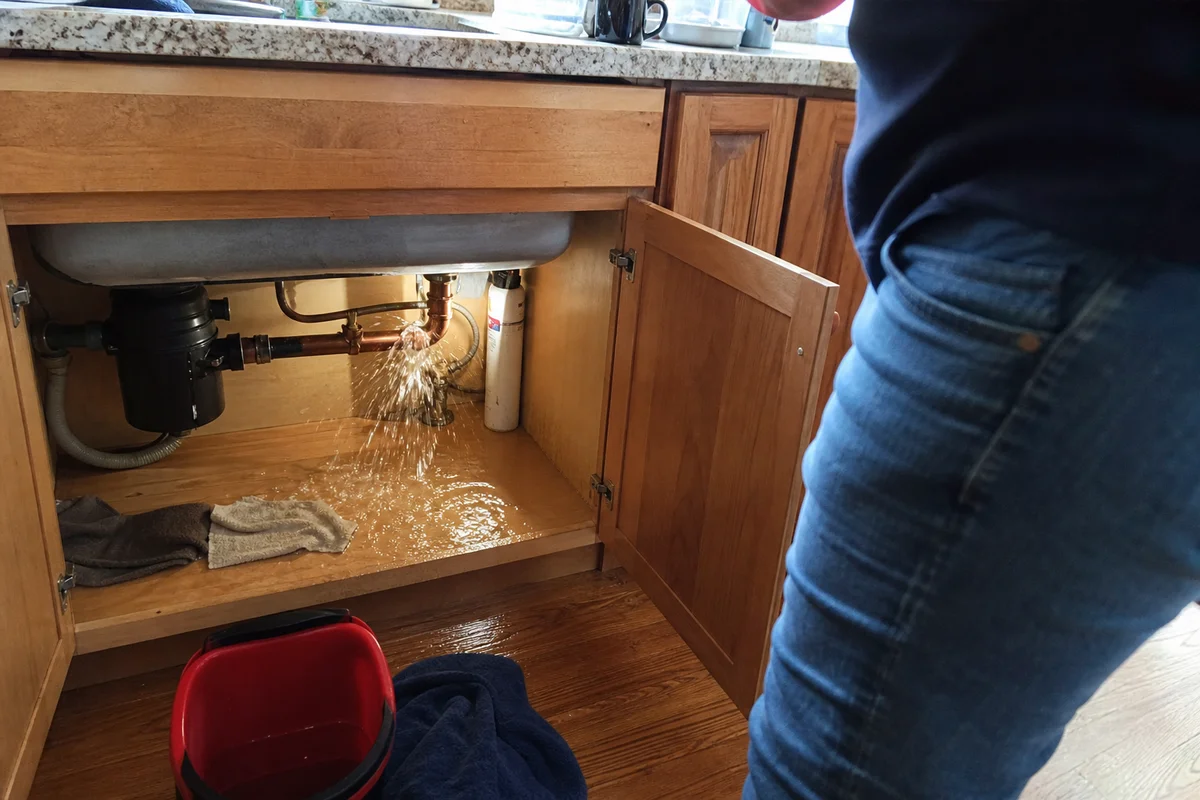
Sudden and accidental plumbing failures. Burst pipes, water heater ruptures, appliance line failures (washing machine, dishwasher, ice maker), toilet overflows. These are among the most commonly covered losses in Colorado.
Storm-driven water intrusion. Wind-driven rain through a damaged roof, water from a covered fire event, damage from ice dams — usually covered if the initial event (storm, fire) is covered.
Vandalism and malicious damage. Yes, including intentional water damage.
Weight of ice or snow causing structural failure that lets water in.
What’s typically NOT covered
External flooding. Water rising from outside — rivers, creeks, overland runoff, storm surge. Requires separate flood insurance through the NFIP. Homes near Plum Creek in Castle Rock or in flood plains need to check this specifically.
Gradual leaks and neglect. A slow leak that ran for months, mold from long-term humidity, or damage from deferred maintenance. Insurers argue this isn’t “sudden and accidental.”
Sewer and drain backup unless you have the specific endorsement (commonly called “water backup” or “sewer and drain backup” coverage). Add-on cost is modest, typically $50 to $150 per year, and it’s one of the highest-value upgrades most Colorado homeowners can make.
Sump-pump failure water damage unless you have sump-pump backup coverage. Same story — add-on endorsement.
Groundwater and hydrostatic pressure damage through foundation walls or slabs.
The sudden vs gradual test
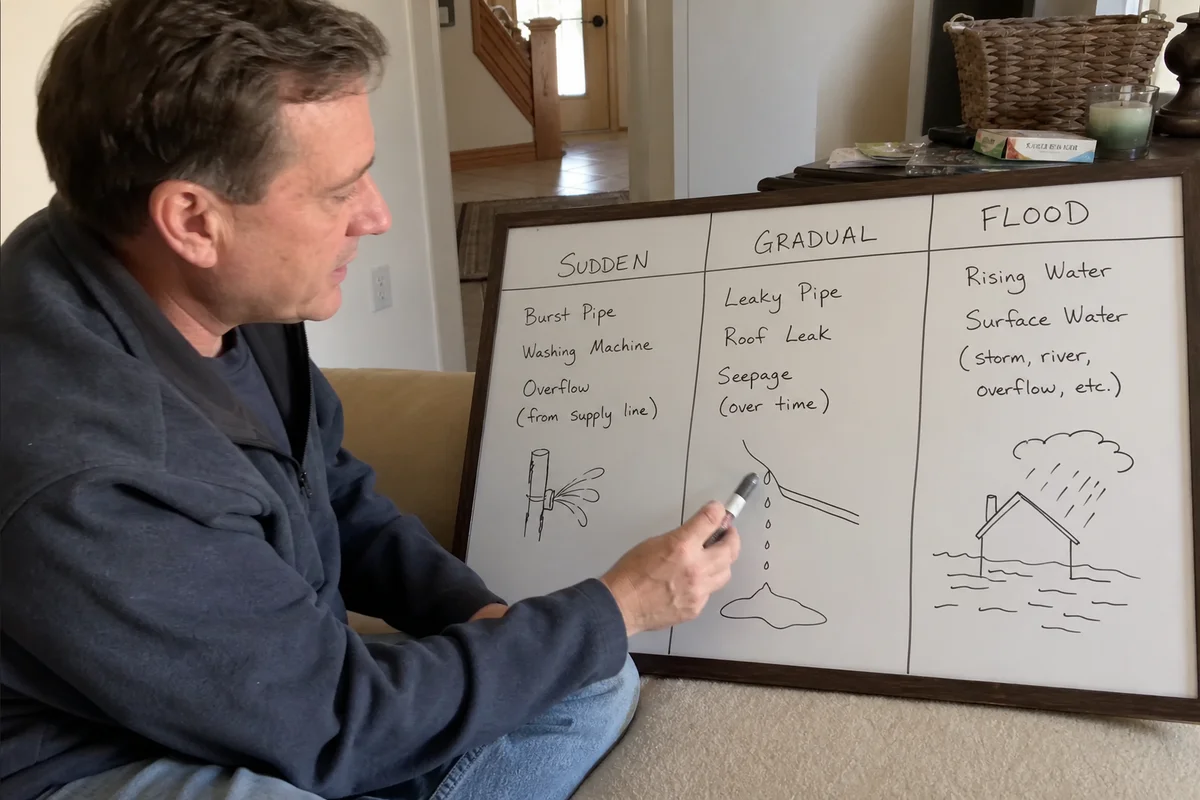
Insurers evaluate every water claim through the sudden-vs-gradual lens. A pipe that burst yesterday and flooded the kitchen is clearly sudden. A slow drip that stained the ceiling over six months is gradual. In between is a gray zone where documentation matters:
- Date of loss. When you first noticed vs when the damage likely began.
- Evidence of prior maintenance. Records of plumbing inspections, water heater age, appliance maintenance.
- Progression photos. If you noticed a spot and documented it, then it grew, that’s helpful.
- Third-party assessment. A plumber or restoration company documenting the actual failure mode.
The deductible-only model
For most covered losses, you pay only your deductible and the carrier pays the rest. Typical Colorado deductibles:
- Standard water/theft/fire: $500 to $2,500
- Hail: often separate, sometimes 1% or 2% of dwelling coverage
- Wind: often separate in Front Range zip codes
If your dwelling coverage is $500,000 with a 1% hail deductible, that’s a $5,000 hail deductible — significantly higher than your standard deductible.
The claim process
- Report to your carrier. Right after the immediate emergency is under control. You don’t need a full scope yet.
- Get a claim number. The carrier assigns you a claim number and, usually, an adjuster.
- Mitigate. You have a duty to prevent further damage — this means calling a restoration company promptly.
- Document. Photos, videos, moisture readings, and a written scope from the restoration company.
- Scope agreement. Your restoration company and the adjuster agree on scope and pricing (usually via Xactimate).
- Work performed. We coordinate throughout.
- Direct billing. We bill your carrier; you pay your deductible.
Where we help
Our owner is a CPA, and we handle Xactimate scoping, adjuster coordination, and direct billing on every job. That means:
- You get a claim-ready scope on day 1
- Your adjuster gets documentation in the format they trust
- You pay only your deductible in most covered losses
- Subrogation (recovering from a third party at fault) is handled
Practical advice
- Add sewer/drain backup coverage if you don’t have it. Small annual cost, huge protection.
- Check hail deductibles separately — they’re often much higher than you’d guess.
- Document your home now, not after damage. Photos and videos of every room. Store them in the cloud.
- Report promptly. Delay is one of the top reasons claims get denied.
- Call us before the conversation with your adjuster, not after. We help you understand the scope you’ll be signing off on.
Call (720) 842-1950 for emergency water damage restoration dispatch, or request a free inspection if you want to walk through your coverage before you need it. See our step-by-step restoration process for what happens after you file.