
Decision Guide
Water Damage Restoration vs. Replacement
Restoration is often cheaper than replacement — when viable. The decision factors: water category, material, and time elapsed.
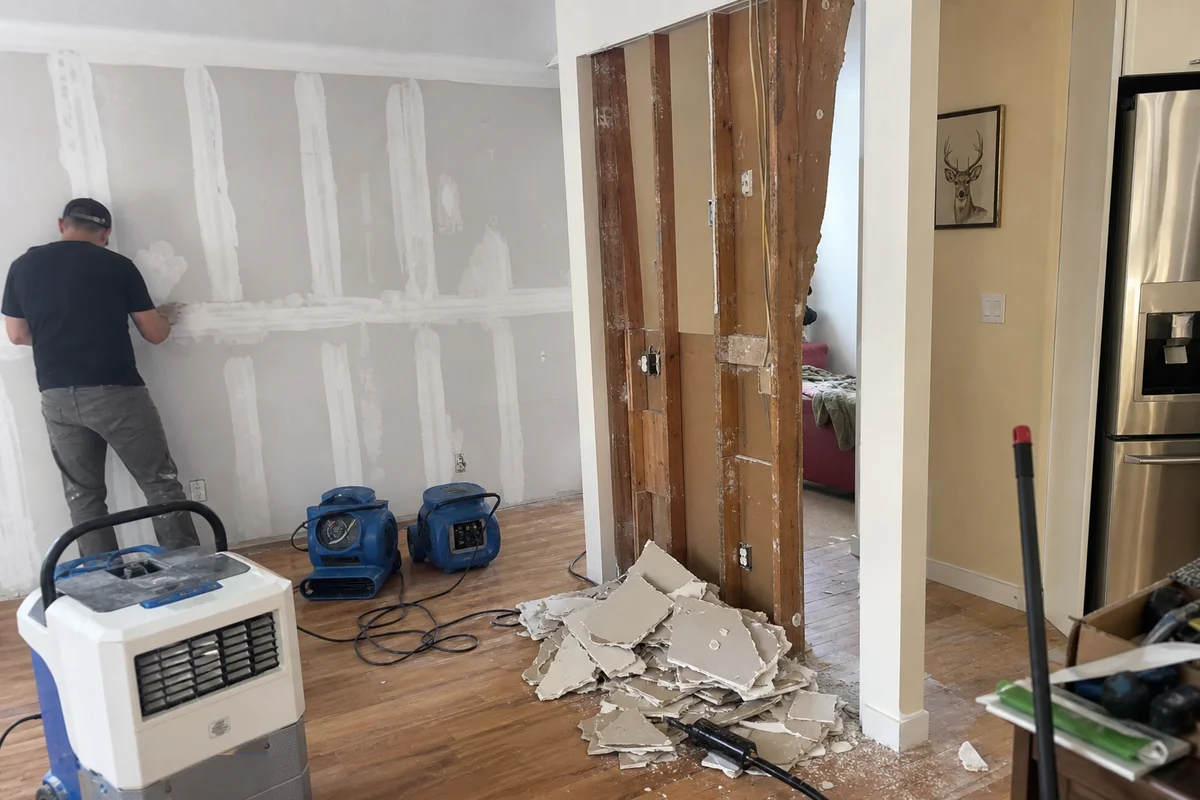
Water damage doesn’t automatically mean everything wet has to be replaced. Modern restoration can save more than most homeowners expect — carpet, hardwood, drywall, framing, even documents and electronics. But some materials really do have to come out. The trick is knowing which is which, and making the right call before either path becomes irreversible.
The three decision factors
1. Water category. Category 1 (clean) water lets us save the most. Category 3 (black water) requires removing most porous materials it touched, regardless of how fast we started. Category 2 sits in the middle — many materials can be dried, but some must go.
2. Material porosity. Non-porous materials (concrete, metal, glass, sealed hardwood) almost always dry. Semi-porous (plywood, framing lumber) typically dry. Porous (insulation, carpet pad, drywall paper) often need to be removed even in clean-water events because they hold moisture at levels that support mold.
3. Time elapsed. Fast response — within 24 to 48 hours — dramatically expands what can be dried. Materials sitting wet for a week or more usually fail moisture readings, delaminate, or develop microbial growth that removes them from the salvage list.
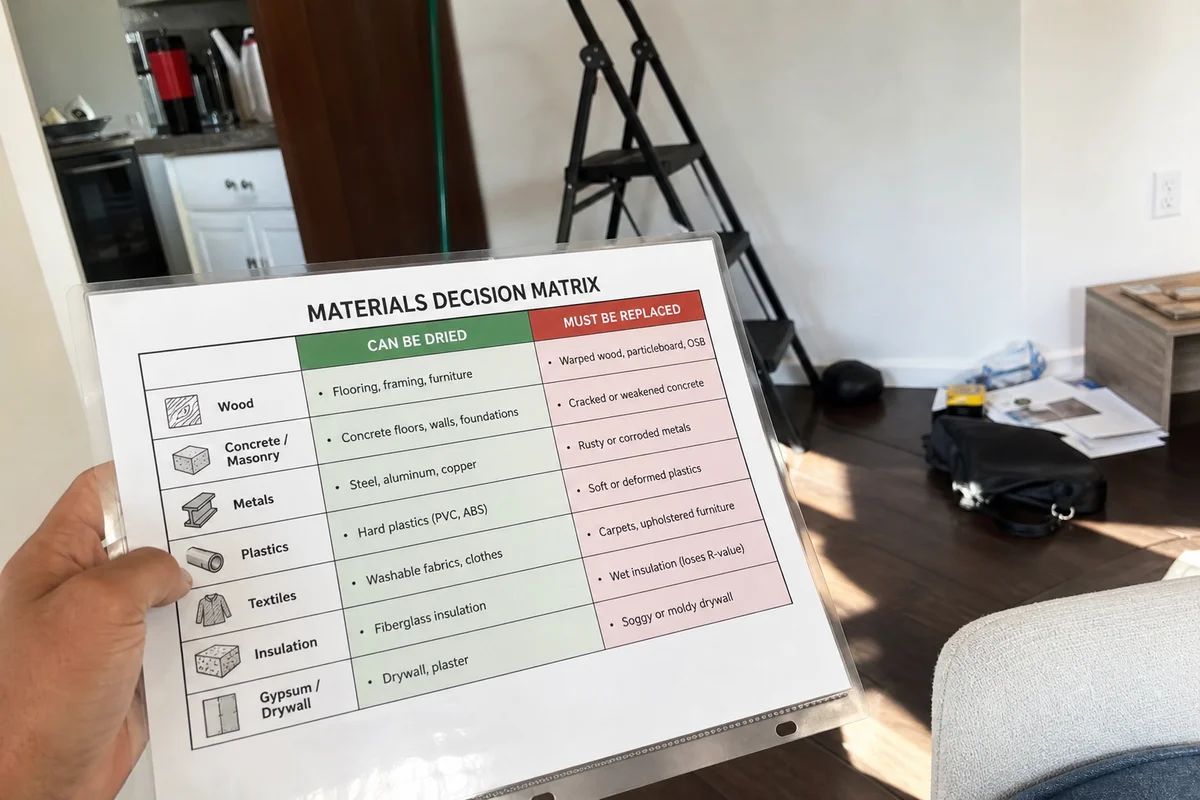
What we typically dry vs replace
Almost always dried:
- Concrete slabs and walls
- Sealed hardwood floors (with specialized equipment)
- Framing and studs (Category 1 or 2)
- Ceramic tile
- Kitchen cabinets (case-by-case; particleboard swells)
- Subfloor plywood
Usually replaced:
- Carpet pad (once wet, it holds too much moisture)
- Fiberglass insulation (compresses, retains water)
- Particleboard and MDF (swell, delaminate)
- Drywall below the water line (Category 2 and 3)
- Upholstered furniture (case-by-case; salvage often uneconomical)
Case by case:
- Carpet (often removed for off-site cleaning, then reinstalled)
- Hardwood floors (dry-in-place is often viable — see our hardwood drying guide)
- Electronics (fast decontamination sometimes saves them)
- Documents (freeze-drying is remarkably effective)
Cost comparison
For a typical 500-square-foot basement flood, Category 1 water, caught within 12 hours:
- Full restoration path: roughly $6,000 to $10,000 (extraction, drying, minimal replacement, cleaning)
- Full replacement path: roughly $15,000 to $30,000 (tear-out, new materials, labor, longer timeline)
Same event, Category 3 water:
- Restoration path: essentially not viable — most porous materials must be removed
- Necessary replacement: roughly $18,000 to $35,000 depending on scope
The insurance angle
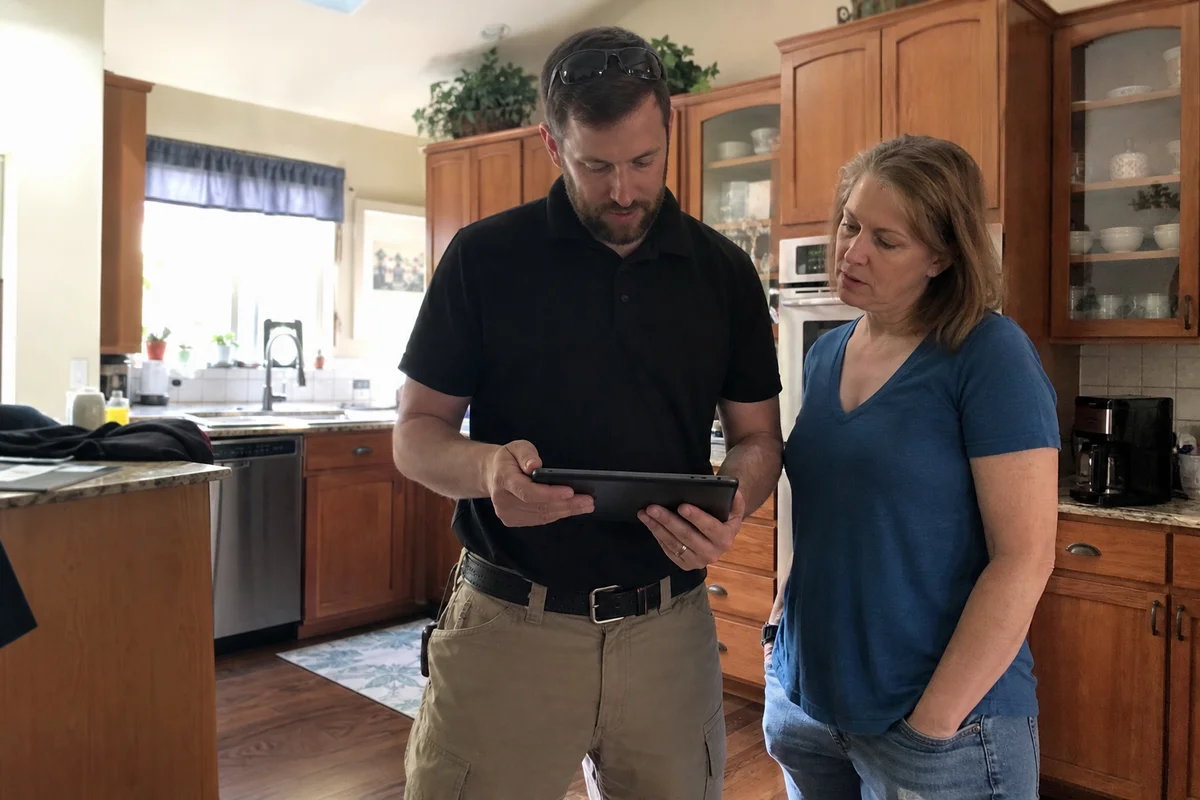
Adjusters generally prefer restoration when it’s viable. It’s cheaper for the carrier, the timeline is shorter, and the homeowner is out of temporary housing faster. When we write a scope, we always include the drying-first approach where materials qualify.
If replacement is genuinely necessary (bad category, delayed response, permanently damaged materials), policies cover restoring to pre-loss condition. Documentation of why replacement was required is what smooths that approval.
See our full Colorado water damage insurance guide for what’s covered and what to expect.
When to make the call
The decision to restore vs replace usually happens on day 1 or 2 of a water event, based on moisture readings and material assessment. We give you an honest recommendation based on what we’re seeing — and what will pass the IICRC dry standard. If a material won’t dry to standard, replacing it is the right answer, and pretending otherwise creates a mold problem in a few weeks.
Bottom line
Restoration is usually cheaper, faster, and less disruptive than replacement — when the water category, materials, and timing allow it. Fast response expands the restoration path dramatically. The longer you wait, the more items shift from the “dry” column to the “replace” column.
Call (720) 842-1950 about water damage restoration if it’s happening now, or request a free inspection for an honest scope. See related: step-by-step water damage restoration process.